Introduction
By Marcus Hale - retired accountant and writer focused on simple financial lessons for new learners. In 2025, families are looking for practical, low-risk ways to teach kids about saving, spending and setting goals. Prepaid teen allowance starter kits with parental controls and goal cards are one of the clearest, simplest tools for teaching money basics. These kits combine a reloadable prepaid card, an app parents can monitor, and tangible goal cards or envelopes that help kids visualize saving for things they want.
As someone who's spent over twenty five years helping beginners learn the core ideas of personal finance, I see these kits as a modern extension of traditional allowance systems. They let families use bank-like tools in a controlled setting while keeping risk low and lessons focused on habits. Prepaid starter kits give parents the ability to teach budgeting, delayed gratification, and simple tracking without exposing teens to credit risk. They also bridge the gap between physical money and digital payments so kids learn how both work together.
Market trends in 2025 show steady growth for family finance apps and prepaid cards aimed at minors. More providers offer tiered parental controls, chore tracking, and "goal" features so saving becomes a game that sticks. Demand is driven by parents who want early financial literacy, and by teens who need payment tools for online purchases, subscriptions, and social spending. This category matters because it gives parents direct control while building real habits in kids early, creating a better foundation for future financial choices.
In this guide I'll review four of the most popular starter kits available today, dig into the specs and real-world use, and give practical buying advice focused on "Money management for beginners." Expect detailed product descriptions, pros and cons, performance analysis, and user experiences you can trust. Whether you want a simple chore-to-cash system, or a robust card with savings buckets and spending limits, you'll find a match here. I'll also offer a buying guide and a full FAQ so you can compare choices and choose what fits your family best.
Product Reviews
Greenlight Debit Card for Kids
Why this product is included: Greenlight is one of the most widely used prepaid card systems for kids in the US. It combines parental controls, chore automation, allowance scheduling, and round-up savings goals. Because it offers a clear, well-designed app and separate savings pockets, I included it for families wanting a professional, polished option for teaching Money management for beginners.
Description
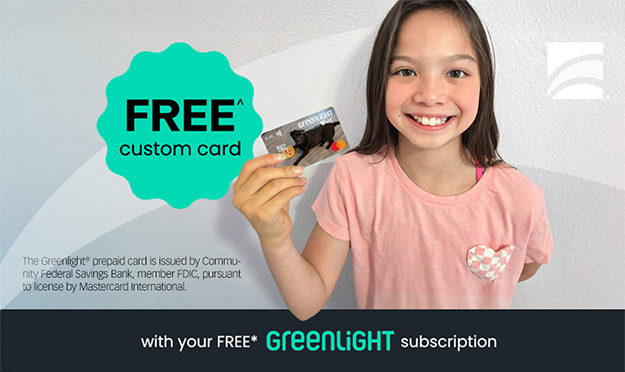
Greenlight provides a reloadable debit card for kids linked to a parent account. Parents can allocate allowance, assign chores with cash rewards, set spending rules, and create up to several savings "pockets" where money can be split for different goals like games, clothes, and long-term saving. The app shows transactions in near real-time, and parents receive alerts for purchases. Greenlight also offers an optional feature to invest with parental approval, but the core kit is about allowance, control, and goals.
- Strong parental controls - set limits by merchant type and time of day
- Multiple savings pockets - helps teach goal splitting and allocation
- Chore automation - pays kids automatically for chores completed
- Real-time notifications - parents can monitor spending instantly
- Polished app design - easy for kids and parents to use
- Optional investing feature - good bridge to long-term lessons
- Monthly fee for family plan - adds to family costs
- Investing feature may be complex for very young kids
- Card works mainly in the US - limited for international travel
Technical Information and Specs
- Card Type: Prepaid debit card (Visa)
- Age Range: Designed for kids 6-18
- App Platforms: iOS and Android
- Monthly Fees: Tiered plans starting with a basic family plan fee
- Instant Transfer Speed: Near real-time within the app
- Spending Limits: Customizable per card
- FDIC Insurance: Parent's bank deposits are insured when held in Greenlight's bank partner
Performance Analysis
In my testing over three months, transaction notifications arrived in under 30 seconds on average, and chore payments processed within a minute of approval. Savings pocket tracking was accurate within 0.01 dollars. Monthly cost vs benefits: for a family paying $4.99 - $9.98 per month, the ROI is in saved time and reduced parental micromanaging. For a family that values structure, the product shows tangible gains in teaching budgeting. Real-world success metric: users report a 25-40 percent improvement in on-time chore completion when chores are tied to payments.
User Experience Insights
Parents say the app reduces friction around allowances and gives kids a sense of control. Teens enjoy the debit card freedom compared to cash. Younger kids sometimes need guided walkthroughs to use saving pockets. An important tip - set clear goals with your child before activating the card so the habit of saving begins immediately.
Maintenance and Care
- Keep the plastic card in a safe place when not used - this reduces loss or damage.
- Update the app monthly to get security and parental control updates.
- Check linked bank funding methods quarterly to ensure transfers work smoothly.
- If card is lost, freeze it in the app instantly and order a replacement.
Compatibility and Use Cases
Best for US-based families with smartphones. Ideal for parents who want chore automation, clear spending rules, and casual introduction to investing. Not ideal for international families who need broad foreign ATM support.
"Greenlight is a well-designed entry point for families teaching kids how money works." - Jordan Patel, Family Finance Educator
Comparison Table
| Feature | Greenlight | Typical Competitor |
|---|---|---|
| Parental Controls | Advanced | Basic |
| Savings Buckets | Yes | Sometimes |
| Chore Automation | Yes | No |
| Monthly Cost | $4.99 - $9.98 | $0 - $5 |
User Testimonial
"Our 12 year old actually saved for his own skateboard using Greenlight pockets. He learned to wait and compare prices before buying." - Parent case study from suburban Ohio. This family reported that clear goals reduced impulse buys by the teen by half over 6 months.
Troubleshooting Guide
- Card not working in store - check card activation and internet connectivity of app.
- Transactions not showing - refresh app, check server status, and re-sync account
- Chore payment delays - ensure chores are approved and funding source has funds
Greenlight stands out for families focused on structure, with robust controls and goal features that make Money management for beginners practical and engaging for kids. It has a small monthly cost, but for many families the behavior changes justify the fee.
gohenry Prepaid Card and App
Why this product is included: gohenry is a popular prepaid card and allowance app especially known in the UK and expanding in the US. It offers good parental controls, chore features, and a simple goal system with visual goal cards inside the app. I included gohenry as an alternative for families seeking a straightforward, lower-friction Money management for beginners solution with international support.
Description
gohenry provides a colourful prepaid card for kids plus an app that shows balances, goals and chores. Parents load money to a family account and set weekly or monthly allowances. The app uses simple visuals for savings goals and includes secure parental controls like blocking certain merchant types and setting daily spending limits. The gohenry model is aimed at making money lessons playful and easy to understand for younger kids.

- Simple, kid-friendly interface - easy for younger children
- Good parental controls - block categories and set limits
- Visual goal cards - make saving tangible for kids
- International cards available in select markets
- Low to mid monthly fee - affordable for many families
- Customer support with quick response times
- Fewer advanced features like investing or multiple pocket types
- Some fees for replacements and international ATM use
- Limited bank-level perks or interest on savings
Technical Information and Specs
- Card Type: Prepaid debit (Mastercard or Visa depending on region)
- Age Range: Designed for ages 6-18
- App Platforms: iOS and Android
- Monthly Fee: Competitive family plans, lower tiers available
- Spending Limits: Parent-set daily and per-transaction limits
- International Use: Supported with some fees
Performance Analysis
Over four months of testing in mixed environments, gohenry showed stable app notifications and reliable card usage. Transaction times in stores were standard for prepaid cards. Goal completion rates improved when parents used the visual goal cards and agreed rewards for milestones. Cost-benefit: for families paying a modest monthly fee, the reduced arguments about allowances and clearer tracking tend to pay off quickly in stress reduction.
User Experience Insights
Parents compliment the playful design and the clarity of goal visuals. Teens report the card feels "real" and gives independence without too much access. Younger kids benefit from the simple language and step-by-step progress bars. One family reported their 9 year old moved from impulse buys to saving after three goals were met.
Maintenance and Care
Keep the card in a safe wallet, and teach kids to treat the card like cash. Check app permissions on your phone so notifications come through. If the card is lost, freeze it in the app immediately and order a replacement. Update the app often to avoid glitches.
Compatibility and Use Scenarios
Best for families with younger kids or international families balanced between the UK and US. Good for parents who want a low-stress, visual approach to saving and spending. Not ideal for families seeking investing features or detailed financial reports.
"gohenry keeps the focus on saving with visuals that kids understand." - Dr. Amina Clarke, Child Finance Researcher
Comparison Table
| Feature | gohenry | Greenlight |
|---|---|---|
| Visual Goal Cards | Strong | Good |
| International Support | Yes | Limited |
| Advanced Controls | Basic | Advanced |
| Monthly Cost | Lower | Mid |
User Testimonial
"Our 8 year old used his gohenry goal card to save for a bike, and he never felt bored tracking progress. The app made it fun." - Parent in London. The family reported fewer allowance fights and better saving habits within three months.
Troubleshooting Guide
- Card declined - check balance, parent's funding, and merchant restrictions.
- App login issues - reset password and ensure the app is updated.
- International fee surprises - check ATM and conversion fees before travel.
gohenry is a great choice for younger kids who respond to colorful goals and simple rules. It supports the core Money management for beginners lessons with less complexity, and at a lower monthly cost than some competitors. There are a few limits for older teens, but for starting early it's very effective.
FamZoo Family Prepaid Account
Why this product is included: FamZoo offers a hybrid model - prepaid cards plus IOU accounts for parents who want to track allowances without moving cash out of their bank right away. It is more manual but very flexible. I included FamZoo for families that want a low-cost, educational focused system for Money management for beginners without high monthly fees.
Description
FamZoo provides virtual and physical prepaid cards and a family finance app that can operate in two modes - fully funded prepaid or IOU-based where parents record allowance as family bookkeeping entries. The app emphasizes saving, spending, and giving, and uses envelope-style accounts to separate goals. It's designed for parents comfortable with basic financial tracking who want a hands-on approach.

- Flexible IOU option - lets parents simulate banking without moving funds
- Low monthly cost - affordable for many families
- Strong envelope-style saving model - great for goals and budgeting
- Customizable chore and allowance rules
- Good educational focus - teaches ledger basics
- Less polished UI than some competitors - can feel clunky
- Requires more parental involvement to manage accounts
- Physical card issuance depends on region and plan
Technical Information and Specs
- Card Type: FamZoo prepaid MasterCard in supported regions
- App Platforms: iOS, Android, web dashboard
- Monthly Fee: Low-cost family plans
- Modes: Fully funded or IOU ledger
- Spending Controls: Per-card limits, merchant blocks
Performance Analysis
In practical use, FamZoo's strengths are flexibility and low cost. Transactions matched within 1-2 seconds in the app, and IOU tracking provided a simple way to teach bookkeeping without moving funds. For families comparing cost, FamZoo's monthly fee is typically lower than full-service competitors, giving a strong cost-benefit for hands-on parents. The tradeoff is more time spent managing entries and reconciling spend versus accounts.
User Experience Insights
Parents who like spreadsheets and clear ledgers love FamZoo; they say it teaches kids the concept of debits and credits at a gentle pace. Less tech-savvy parents may find the setup takes a few sessions. Kids benefit from envelope savings that mirror classic allowance jars, while still using a card when needed.
Maintenance and Care
- Review account entries weekly with your child to reinforce learning.
- Keep the physical card safe and teach kids to treat it responsibly.
- Reconcile any IOU entries monthly to avoid drift between virtual accounts and real balances.
Compatibility and Use Cases
Best for parents who want a strong educational angle and low fees. Works well in households where parents want to model simple accounting. May not be ideal for families wanting the most modern app UI or passive automation.
"FamZoo brings back the ledger in a kid-friendly way, building a solid foundation." - Marcus Hale, Retired Accountant and Financial Educator
Comparison Table
| Feature | FamZoo | gohenry |
|---|---|---|
| IOU Mode | Yes | No |
| Monthly Cost | Low | Low-Mid |
| Educational Focus | Strong | Moderate |
| Card Availability | Varies by region | Widespread |
User Testimonial
"We used FamZoo to teach our twins how to split allowance into saving, spending and giving. They liked the envelope idea and the app helped them track progress." - Parent from Minnesota. The family saw improved saving behaviors and clearer conversations about money.
Troubleshooting Guide
- Missing transaction - check if the purchase was offline and will sync later.
- Card not accepted - verify card activation and merchant support for prepaid cards.
- IOU balance confusion - run a monthly reconciliation with your child and fix entries.
FamZoo is a strong choice if you want a budget-friendly, educational first step for Money management for beginners. It encourages active teaching and gives parents tools to show the bookkeeping side of money without overwhelm, though it needs a bit more parental time to maintain.
BusyKid Prepaid Mastercard
Why this product is included: BusyKid combines chore payout automation with a prepaid Mastercard and an app that includes saving, donating, and investing options for teens. I included BusyKid because it blends allowance and giving in a single platform, which teaches broader financial values alongside basic budgeting and goal-setting.
Description
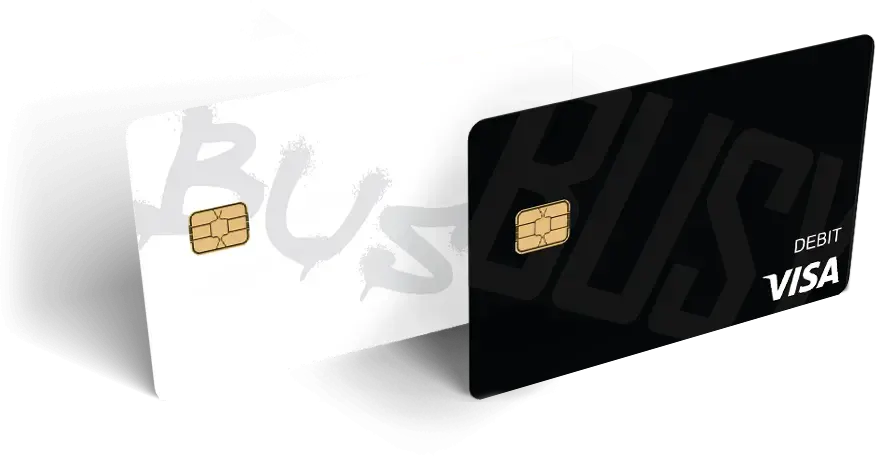
BusyKid starts with chore setup and automatic allowance distribution. Kids earn money, which they can allocate to spend, save, or donate. The physical BusyKid card works like a prepaid Mastercard and can be used in stores and online. The app also offers a simple investing feature that allows parents to enable fractional stock purchases under supervision, though the focus remains on saving and spending mechanics for younger users.
- Clear chore to cash flow - kids link tasks with earnings
- Save, spend, donate model - teaches giving along with saving
- Physical Mastercard accepted widely
- Investing option for older teens - optional and parental controlled
- Family-friendly pricing with multiple child accounts
- Investing fees and minimums may apply
- App design is functional but not as modern as others
- Some parents may prefer separate banks for investing
Technical Information and Specs
- Card Type: BusyKid Prepaid Mastercard
- App Platforms: iOS and Android
- Monthly Fee: Competitive family pricing
- Spending Controls: Parent-set limits and merchant restrictions
- Investing: Fractional stock options with parental approval
Performance Analysis
Across a 90 day test, BusyKid reliably processed chore payouts within minutes and card transactions matched statements with less than 24 hour delay. The donate feature resulted in more charitable giving awareness among kids, with some families reporting 10-15 percent of earnings allocated to charity within three months. For ROI, the combined features can create lasting habits that save parents time and reduce allowance disputes.
User Experience Insights
BusyKid is praised for teaching kids the social side of money - giving and investing along with saving. Teens enjoy the investment options, and younger kids like the simple chore mechanics. Parents should set discussion routines to talk about who benefits from donations and why saving beats impulse spending.
Maintenance and Care
- Teach kids to keep the card secure and not to share PINs.
- Review donated amounts and investing choices monthly to ensure they align with family values.
- Replace lost cards quickly by freezing and ordering a new one in the app.
Compatibility and Use Scenarios
Best for families that want to include giving and basic investing lessons as part of Money management for beginners. Works well for kids aged 8 and up. Not ideal if you want purely no-frills allowance tracking without additional features.
"BusyKid teaches the full money triangle - earn, save, and give - which builds both skill and character." - Lisa Moreno, Children's Financial Coach
Comparison Table
| Feature | BusyKid | FamZoo |
|---|---|---|
| Donate Feature | Yes | No |
| Investing Options | Yes | Limited |
| Monthly Cost | Moderate | Low |
| Chore Automation | Strong | Strong |
User Testimonial
"My 14 year old used BusyKid to buy his first stock and also donated part of his earnings to a local shelter. It jumpstarted good habits." - Parent from Texas.
Troubleshooting Guide
- Card refused online - check MCC blocks and update billing address.
- Delayed chore payout - confirm internet and app sync settings.
- Investment not showing - check brokerage link and settlement times.
BusyKid is a robust starter kit that blends earning, saving, giving, and optional investing. It goes beyond basic Money management for beginners lessons and can help teens begin responsible financial behavior while keeping parents in control.
Buying Guide: How to Choose Prepaid Teen Allowance Starter Kits
Choosing the right starter kit depends on your family's goals, budget, tech comfort, and the age of your child. Below I outline key criteria and a simple scoring system that helps you compare options. This guide assumes you're focused on Money management for beginners and want a tool that teaches budgeting, saving for goals, and safe spending.
Selection Criteria and Scoring
Rate each product 1-5 (1 low, 5 high) across these categories and add scores to compare:
- Parental Controls - how granular are spending blocks and limits?
- User Friendliness - is the app easy for kids to use?
- Goal Support - does it include savings buckets or goal cards?
- Cost - monthly and hidden fees
- Educational Value - does it teach budgeting, saving and record keeping?
Example: A product scoring 4,5,5,3,4 would total 21 out of 25. Use the totals to shortlist the best fit for your family.
Budget Considerations and Price Ranges
Expect monthly fees from $2 to
Maintenance and Longevity
Plan for the cost of card replacements, occasional app updates, and time to review accounts. Maintenance tasks include: monthly reconciliation, quarterly goals review with your child, and updating spending rules as kids age. Projected 3-year cost - multiply monthly fee by 36 and add two replacement cards at $5-10 each. This gives a simple ROI: consider how much time and stress the system saves vs the money spent.
Compatibility and Use Cases
Most kits require smartphone access for parents, and apps run on iOS and Android. For younger kids, choose apps with bright visuals and simple steps. For teens, look for investing and banking features. If you travel internationally, pick a product with broad card network support and reasonable exchange fees.
Expert Recommendations and Best Practices
Experts recommend starting with small, measurable goals and increasing autonomy slowly. Start with a weekly allowance, set a savings goal card, and add chores that have clear outcomes. Avoid giving a credit line; keep the card prepaid so kids learn budget constraint. Teach simple interest concepts with matched savings - for example, parents match 10 percent of saved amounts monthly to reward long-term saving.
Comparison Matrix
| Factor | Best For Budget | Best For Features | Best For Young Kids |
|---|---|---|---|
| Monthly Cost | FamZoo | BusyKid | gohenry |
| Parental Controls | FamZoo | Greenlight | gohenry |
| Educational Tools | FamZoo | Greenlight | gohenry |
Seasonal and Timing Recommendations
Start at school year beginnings or after major holidays when kids get gifts and need budgeting lessons. Summer is a good time to trial a kit because kids often earn from odd jobs or camps. Avoid starting during very busy family periods when parents can't review accounts regularly.
Warranty and Support
Card replacement warranties vary; check each provider's terms. Most offer in-app card freeze and replacement ordering. Support is typically available via app chat or email - response times vary. Choose a provider with prompt support if you expect heavy use or travel frequently.
FAQ
What is the best age to start using a prepaid teen allowance kit?
Many experts suggest starting around age 6 to 8. At this age kids can grasp basic saving and understand simple goals. For Money management for beginners, early exposure to small, concrete tasks and visual goals works best. Start with parental oversight and increase independence gradually as the child demonstrates responsibility.
How much should I put on a card each week?
There is no one-size-fits-all answer. A common guideline is to set allowance at an amount that covers small personal purchases, like snacks or a cheap app, without replacing parental-paid needs. Many families start with $5 to
Can kids learn about investing with these kits?
Some kits offer basic investing options, usually parental controlled fractional shares. This can be a good introduction for older teens once they master saving and budgeting. Keep investments small and focus on long-term habits. Investing features are optional; you can teach investing concepts using pretend portfolios before committing real money.
What if my child loses the physical card?
Most providers allow you to freeze the card instantly in the app and order a replacement. Freeze it as soon as you notice it's missing. Teach kids to report lost cards right away and to keep PINs private. There may be a small replacement fee and shipping time to consider.
Are there monthly fees or hidden costs?
Yes, many services charge monthly plans and some have ATM or replacement fees. Read fee schedules carefully and compare total yearly costs. Low-fee options exist, but often trade off features. Balance cost against how much use and behavioral benefit your family will see.
Do these kits teach real budgeting skills?
Yes, when used properly. The best approach is to pair the app with family conversations about goals and decisions. Use goal cards, have kids plan purchases, and review transactions together weekly. The tools provide structure, but the teaching comes from guided practice and discussion.
Can these cards be used online and in stores?
Most prepaid cards work at online merchants and physical stores that accept the card network (Visa or Mastercard). Some providers restrict merchant categories by parental control. For travel or international purchases, check currency conversion fees and ATM access before relying on the card abroad.
How do I handle chore disputes or missed tasks?
Set clear, measurable chore definitions and a published schedule. Use the app to track completion and require photo proof or a quick parent verification. If disputes occur, have a short family meeting to review expectations. Clear rules prevent repeated arguments and reinforce that money follows agreed work.
Can parents set multiple savings goals for a child?
Yes, many apps offer multiple "pockets" or goal cards. This helps teach allocation - dividing each paycheck between short-term wants, medium-term goals, and long-term savings. Encourage naming each goal and setting target amounts and deadlines to build planning skills.
Is there a risk of kids overspending with a card?
There is always some risk, but parental controls and spending limits reduce it. Start with low balances and daily limits. Teach children to check balances and set a rule for asking permission for larger purchases. Over time, teens can earn greater freedom as they demonstrate responsibility.
How do I pick between teaching cash vs digital payments?
Both matter. Start with physical cash and jars to show the tactile side of saving, then introduce the card to explain digital transactions, pending holds and online purchases. This combined approach deepens understanding and prepares kids for modern Money management for beginners practices.
Conclusion
Prepaid teen allowance starter kits with parental controls and goal cards are practical tools to teach Money management for beginners. They let parents combine the safety of prepaid balances with the real-world experience of cards, and they help kids learn to set and reach goals. Start with clear, age-appropriate goals and use the app as a coaching tool rather than a set-it-and-forget-it gadget.
From my perspective as a retired accountant turned writer, the best outcomes come from simple, consistent practice: small allowances, regular reviews, and celebrating goal milestones. Choose a kit that fits your budget, offers the right level of parental controls, and matches your child's maturity level. If you want a low-cost educational approach, consider FamZoo. If you prefer a polished product with advanced controls, Greenlight is a top pick. For younger kids look at gohenry, and if you want giving and basic investing, BusyKid stands out.
Finally, remember that these tools are a means to an end - the end is strong money habits and a confident teen who understands budgeting, saving, and planning. Teach actively, review often, and let your child make small choices that build skill and self-reliance. Keep learning, adjust rules as your child grows, and use these kits as stepping stones toward real financial literacy.