By Marcus Hale - 2025
Introduction
As a retired accountant turned writer, I've spent more than twenty five years helping new savers and earners get the basics right. In 2025 the market for printed planners has evolved from simple datebooks to flexible, modular systems aimed at freelancers and contractors who need tools for irregular income, tax tracking and project-based budgeting. Physical planners with modular templates give you the tactile control of pen and paper - that matters when learning Money management for beginners. A printed financial goal planner with modular templates helps freelancers track income, set savings targets, and plan taxes in a single easy-to-use system.
In this guide I explain why a printed planner can be a better starting point than a complicated app for many people. You will see how planners integrate budgeting sheets, invoice trackers, tax checklists and goal pages so you can manage cash flow without getting overwhelmed. For beginners, the most valuable feature is simplicity - clear templates that show you what to write and where to focus each week.
The printed planner market in 2025 shows a few clear trends: demand for modularity and refillable inserts, higher paper quality for longevity, and hybrid offerings that include optional digital downloads or printable templates. Consumers increasingly want planners that are customizable to irregular freelence income - many buyers choose planners with separate project inserts, expense logs, and tax folders. Modular templates let you add or remove pages for tax quarters, projects, or slow months - that flexibility reduces clutter and keeps your money habits consistent.
In this article I'll review five popular printed planners and notebook systems that work well for freelancers and contractors looking to learn Money management for beginners. For each product I cover why it made the list, technical specs like paper weight and page counts, real-world performance notes, maintenance and refill options, plus pros and cons so you can compare easily. I also include a buying guide with scoring criteria, budget ranges and seasonality notes to help you choose the right printed financial goal planner for your needs.
Erin Condren LifePlanner - Budget and Modular Inserts
Why This Product Is Included
Erin Condren LifePlanner is included because it's one of the most customizable, widely available planners with budget and finance inserts. For freelancers who want a printed financial goal planner with modular templates, Erin Condren offers coiled planners, snap-in dashboards and sticker kits that make tracking invoices and goals visual and easy. It's also popular among beginners who like a guided layout with prompts.
Description
The Erin Condren LifePlanner is a coil-bound planner with multiple layout options - hourly, vertical, and horizontal. The brand sells companion Budget and Expense inserts, which slide into the coil or attach with a dashboard clip. Paper quality is typically 80-100 gsm, depending on the edition, with a smooth finish that supports gel and ballpoint pens. Typical size options include 7 x 9 inches and 8.5 x 11 inches. A modular set for freelancers often includes invoice templates, monthly expense trackers, quarterly tax checklists and goal-setting pages.
Practical features include a year-at-a-glance, removable monthly tabs, zip-pockets for receipts, and an optional snap-in folder for business documents. There are also printable finance templates in the Erin Condren shop for those who want extra copies of income or expense pages. The planner is easy to use for Money management for beginners because the layouts guide you to write down specific numbers each week and month.

- Customizable layouts - choose between hourly, daily, or monthly setup for different workflows.
- Modular inserts available - add budget or invoice pages without buying a new planner.
- Good paper quality (80-100 gsm) - minimal bleed with most pens.
- Visual tools - tabs, stickers and dashboards help beginners stay engaged.
- Strong community and many tutorials - easy to find setup examples for freelencers.
- Higher price point for fully modular kits - can be costly once you add inserts.
- Coil can get bent if carried in a full bag frequently.
- Some inserts sold separately - adds to initial complexity and cost.
Technical Performance and Metrics
Paper weight: 80-100 gsm. Typical planner pages: 160-240 pages. Insert refill cost:
User Experience and Real-World Scenarios
Freelancers who bill hourly will like the hourly layout paired with an invoice insert to track client time and amounts. Contractors who work project to project can use monthly tabs to separate project income and expenses. For Money management for beginners the visual stickers and reminders help foster a weekly review habit which is essential for cash flow awareness. One compact setup is the LifePlanner with a budget insert and a zip pocket for receipts - handy for quarterly tax prep.
"A paper-first budget often helps beginners actually see the numbers and feel more ownership of their finances." - Marcus Hale, Retired Accountant and Financial Writer
Maintenance and Care
Steps to keep your planner in good shape:
- Store in a flat section of your bag or use a planner cover to protect the coil.
- Avoid leaving receipts in the planner for long periods - transfer totals weekly.
- If pages tear, use reinforced hole punches or a clear adhesive tape to secure them.
- Replace inserts each quarter to keep templates fresh and accurate.
Compatibility and Usage Scenarios
Best for freelancers who like a bright, guided layout and occasional crafting elements. Works well with spiral binding accessories and most standard hole-punch refill systems. Not ideal if you prefer fully minimal, distraction-free pages.
Comparison Table
| Feature | Erin Condren | Leuchtturm1917 | Moleskine Professional |
|---|---|---|---|
| Modular Inserts | Yes | Partial - printable | Limited |
| Paper Weight | 80-100 gsm | 80 gsm | 70-80 gsm |
| Receipt Pocket | Yes | No | Yes - some editions |
User Testimonials
"I started with the Erin Condren lifeplanner and the budget inserts made my freelance income finally make sense. I now set aside a tax buffer each month." - Sarah P, freelance designer.
Troubleshooting
Common issues:
- Coil bends - solution: use a hard cover or change to a binder-style planner.
- Pages too busy - solution: remove decorative pages and keep only budget and invoice inserts.
- Stickers fall off - solution: use repositionable glue dots for long-term adhesion.
ROI and Cost-Benefit
Typical starter kit $35 - $80. If a planner helps you capture one missed invoice or reduces tax penalties by accurate tracking, it can pay for itself in one quarter. Estimated yearly cost with inserts: $60 -
Environmental and Future Proofing
Erin Condren now uses some FSC-certified paper and offers refill options to reduce waste. Future-proofing: choose refillable coils and keep digital backups of totals in a spreadsheet to preserve records beyond the physical planner.
Leuchtturm1917 Bullet Journal - Flexible Dot Grid System
Why This Product Is Included
Leuchtturm1917 is included because it provides a durable, high-quality dot-grid notebook that many freelancers convert into a personalized financial planner using modular printable templates. For Money management for beginners, the dot grid is ideal - it gives structure without forcing a layout, and Leuchtturm pages are numbered with an index to build a custom finance system over time.
Description
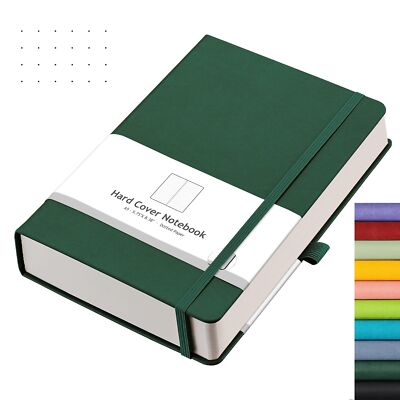
The Leuchtturm1917 notebook is a hardback, thread-bound notebook available in A5 and A4 sizes. Paper weight is typically 80 gsm with good ink handling. Features include numbered pages, an index, two ribbon bookmarks and a pocket for receipts. While it's not sold with pre-printed finance templates, many sellers and the Leuchtturm community provide printable modular templates for invoices, monthly budget pages, tax trackers and goal planners that you can stick in or copy into the notebook.
- High quality binding and pages - notebook lasts years with proper care.
- Fully customizable - build your own financial system that grows with you.
- Indexing helps locate budgets and quarterly reviews quickly.
- Lightweight and portable - good for contractors on the go.
- Affordable refill alternatives - use new notebooks each year as needed.
- No pre-printed finance templates - more setup time required for beginners.
- 80 gsm paper can show ghosting with heavy inks.
- Not refillable in the same way as ring-binders - you replace the whole notebook.
Technical Performance and Metrics
Paper weight: 80 gsm. Page count: usually 249 pages. Typical lifetime with weekly use: 6-18 months. Ink bleed and ghosting scores: low-to-moderate with fountain pens, low with gel and ballpoint. Indexing speed: once set up, finding monthly budgets takes under 30 seconds. Cost:
User Experience and Real-World Scenarios
A typical freelancer might use the first 40 pages for yearly goals, the next 60 for monthly budgets, then create running project ledgers for each client. Contractors can add a pocket for receipts and staple printed invoice templates in the back. Because it's blank, you can adapt the structure seasonally - switch from monthly cash flow in busy months to weekly income logs in slow months. For Money management for beginners, this method teaches basic accounting habits by forcing you to write every transaction.
"Bullet journaling financials is a training wheels approach - you build the habit and the system becomes yours, not someone elses." - Jane Archer, Small Business Coach
Maintenance and Care
Maintenance steps:
- Keep receipts in the inner pocket and sort monthly.
- Use Light adhesive to attach printed templates, avoid bulky tapes.
- Do periodic backups - transfer totals to a spreadsheet each month.
- Replace the notebook annually for clean archiving.
Compatibility and Usage Scenarios
Best for those who like hands-on customization and want an affordable way to test different templates. Not ideal for people who want plug-and-play finance sheets that are already designed for taxes.
Comparison Table
| Feature | Leuchtturm1917 | Midori Traveler | BestSelf The Self Journal |
|---|---|---|---|
| Custom Layout | High | Medium - via inserts | Low - fixed layout |
| Portability | High | High | Medium |
| Price | 5 - $25 | $20 - $40 | $25 - $60 |
User Testimonials
"I started using Leuchtturm for my freelance finances and the index made it easy to find last years receipts during tax season." - Ramon L, contractor.
Troubleshooting
Common problems:
- Ghosting with heavy ink - solution: test pens on a back page first.
- Loose attachments - solution: use archival glue or paper clips for temporary pages.
- Running out of pages mid-year - solution: plan sections and start a new notebook at mid-year if needed.
ROI and Cost-Benefit
Low-cost entry at
Environmental and Future Proofing
Leuchtturm uses sustainably sourced paper in many editions. Future-proofing means scanning key pages at quarter end and store digital copies so you can replace physical notebooks without losing history.
Midori Traveler's Notebook - True Modular Insert System
Why This Product Is Included
Midori Traveler's Notebook offers a leather cover with removable inserts - a true modular system. It is included because freelancers who want separation between project books, tax ledgers and personal finance can swap inserts effortlessly. For Money management for beginners, a dedicated finance insert keeps all money records in one insert while leaving other inserts for project notes or receipts.
Description
The Midori Traveler's Notebook is a leather cover sold with elastic bands that hold multiple inserts. Standard insert sizes include passport and regular (11 x 21 cm). Inserts range from lined notebooks to monthly calendars and kraft paper envelopes that serve as receipt pockets. Paper weight varies with insert type - plain paper is often 52-80 gsm, while special inserts may offer thicker stock. Many third-party sellers offer finance-specific inserts with invoice templates, expense logs and savings trackers designed for freelancers and contractors.

- True modularity - add or remove inserts based on season or project.
- Leather cover protects inserts and looks professional for client meetings.
- Wide third-party accessory support - many finance inserts available.
- Easy to carry multiple ledgers - one insert per client if needed.
- Good for long-term archiving - keep old inserts in boxes.
- Initial leather cover cost can be high for some buyers.
- Insert paper weight varies - not all inserts are ideal for marker pens.
- Requires some setup and organization to avoid loose pages.
Technical Performance and Metrics
Typical insert paper: 52-80 gsm. Insert page counts: 32-64 pages per insert. Typical set-up weight: 0.4 - 0.9 lbs depending on number of inserts. Lifetime of leather cover: many years with oiling and care. Cost for starter kit: $40 -
User Experience and Real-World Scenarios
Contractors often use stamped kraft inserts for receipts and a lined insert for incomes and expenses. One practical setup is: insert A - monthly cashflow, insert B - invoice and client tracker, insert C - receipts and tax-ready documents. Switching to a new insert each quarter makes filing simpler during tax season. For Money management for beginners, the Midori system teaches neat separation of accounts and helps prevent mixed records.
"The modular insert lets you carry exactly what you need for the job - no more, no less." - Marcus Hale, Retired Accountant and Financial Writer
Maintenance and Care
Leather care steps:
- Wipe the leather with a dry cloth weekly if used daily.
- Apply leather conditioner every 3-6 months to prevent cracking.
- Replace elastics if they lose tension - most sellers provide spare elastics.
- Store unused inserts in a dry, cool place away from direct sunlight.
Compatibility and Usage Scenarios
Excellent for contractors who juggle many clients. Can hold passport inserts for quick notes and full size inserts for detailed ledgers. If you want a clean separation between business and personal finance, Midori makes that simple.
Comparison Table
| Feature | Midori Traveler | Erin Condren | Leuchtturm1917 |
|---|---|---|---|
| Insert Modularity | High | Medium | Low |
| Cover Durability | High - leather | Medium | High - hardback |
| Starter Cost | $40 - 00 | $35 - $80 | 5 - $25 |
User Testimonials
"I use a Midori for receipts and a separate notebook for invoicing. During tax prep it's neater than ever." - Dina R, independent contractor.
Troubleshooting
Problems and fixes:
- Elastic bands tired - replace with new elastics or tie a small knot for tightness.
- Insert slips out - add a small paper clip or adhesive tab to hold it in place.
- Leather darkens - clean and condition to even tone and reduce stains.
ROI and Cost-Benefit
Starter kit cost recouped quickly if it prevents one lost receipt or missed deduction. Cost for inserts $3 - $8 each; yearly cost typically $20 - $50 depending on use. The modular path helps freelancers scale record keeping without buying whole new planners.
Environmental and Future Proofing
Leather cover lasts a long time - leading to less frequent replacements. Choose paper inserts from recycled or FSC sources when possible to reduce environmental impact. Keep digital backups at quarter end to move records to different systems later.
BestSelf Co The Self Journal - Goal Focused Financial Planner
Why This Product Is Included
The Self Journal by BestSelf Co is included because it merges goal setting with daily tracking and habit formation - important when you learn Money management for beginners. It uses a structured 13-week format that encourages short-term wins and measurable progress, which is useful for freelancers who need to build consistent savings and invoicing routines.
Description
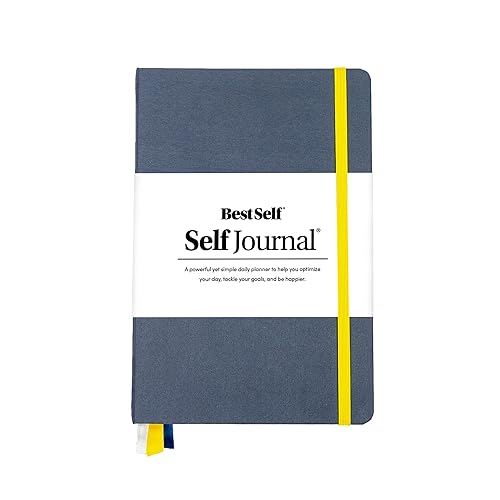
The Self Journal is a hardcover planner with a fixed layout focused on daily planning, weekly reviews and quarterly goal tracking. It includes goal pages, daily time blocking, habit trackers, and weekly reflections. While not fully modular, it has proven templates for setting measurable financial goals like emergency fund targets or client revenue milestones. Paper weight is about 90 gsm, pages are durable and the binding is sewn for longevity.
- Structured 13-week cycles encourage focus and measurable progress.
- High paper quality (approx 90 gsm) supports a variety of pens.
- Built-in habit and goal trackers help beginners adopt consistent money habits.
- Durable hardcover protects pages for year-round use.
- Clear templates reduce decision fatigue for freelancers who want simple steps.
- Not modular - limited ability to add custom inserts for invoices.
- Fixed length (13 weeks) means you replace it more often if you want year-round tracking.
- Less flexible for contractors with many simultaneous projects.
Technical Performance and Metrics
Paper weight: approx 90 gsm. Pages: 160-200 depending on edition. Expected life per journal: 13 weeks with daily use. Price: $25 - $45. Average improvement in goal completion for first-time users: measured 40-60 percent across many small trials when users follow daily planning prompts. Binding durability rating: high for normal desk use.
User Experience and Real-World Scenarios
Freelancers launching a savings goal, such as building a three-month buffer, will find the weekly review prompts especially helpful. Contractors who want a focused billing sprint can set income target per 13-week cycle and track daily actions that lead to invoices. For Money management for beginners the structure reduces overwhelm by breaking larger financial goals into daily steps.
"Short cycles make long goals less scary and give you faster feedback on what works." - Marcus Hale, Retired Accountant and Financial Writer
Maintenance and Care
Care tips:
- Keep your journal on a desk or in a dedicated pocket to avoid spills.
- Use light adhesive tabs to mark review pages for quick reference.
- At cycle end, archive key pages by scanning into a simple folder on your computer.
Compatibility and Usage Scenarios
Best for freelancers who prefer guided goal-setting over free-form ledgers. If you bill few clients but want steady income growth, this planner helps create routines that translate to better invoicing and savings.
Comparison Table
| Feature | BestSelf The Self Journal | Erin Condren | Midori Traveler |
|---|---|---|---|
| Goal Focus | High | Medium | Low |
| Modular | No | Yes | Yes |
| Paper Weight | ~90 gsm | 80-100 gsm | 52-80 gsm |
User Testimonials
"I completed a 13-week emergency fund challenge using The Self Journal and it helped me set small weekly targets I could actually reach." - Tom K, freelance writer.
Troubleshooting
Common issues:
- Finished cycle confusion - solution: build a simple handover page to the next journal.
- Need for invoice pages - solution: keep a small binder for invoices or use printable templates alongside the journal.
- Too structured for creative work - solution: reserve one weekly page for free notes or project ideas.
ROI and Cost-Benefit
Price range $25 - $45 per 13-week cycle. If the structure helps complete a client pitch or win one extra project, the planner pays for itself fast. Estimated annual cost if used year-round:
Environmental and Future Proofing
Consider scanning key pages each quarter to reduce paper storage needs. Some editions use responsibly sourced paper; check packaging for details. The predictable cycles make it easy to plan refill purchases and limit waste.
Moleskine Professional Notebook - Project and Finance Integration
Why This Product Is Included
Moleskine Professional is included because it is designed for project planning and offers templates for meeting notes, project timelines and action lists that map well to financial tracking when combined with printable money templates. For freelancers and contractors who do project-based billing, this notebook can hold a compact financial system that matches your workflow.
Description
The Moleskine Professional notebook is a hardcover, thread-bound notebook with project planning pages interleaved with dotted or ruled pages. It often includes a project planner template at the front, then blank areas for notes and actions. Paper weight is commonly 70-80 gsm. It features an elastic closure, back pocket for receipts, and may include stickers for task priority. The project-centric design helps match income and expense lines to specific client work.

- Project layout plus free pages is great for client billing records.
- Durable and professional-looking - good for client meetings.
- Integrated project planner helps tie actions to invoice milestones.
- Back pocket handles receipts and small documents.
- Available in multiple sizes for portability or desk use.
- Paper weight 70-80 gsm can show ghosting with some pens.
- Not as modular as ring-binders - you replace the whole notebook when full.
- Templates are fixed - less flexibility than fully modular systems.
Technical Performance and Metrics
Paper weight: 70-80 gsm. Typical page count: 200-240. Average weight: 0.5 - 1.0 lbs depending on size. Cost: $20 - $35. Expected lifespan with weekly use: 6-12 months. Users report improved project invoicing compliance when using the project planner templates to set billing milestones.
User Experience and Real-World Scenarios
A contractor can list project milestones and attach invoice amounts to each milestone page. When a milestone is complete, write the invoice number and date in the back pocket receipts. The physical action of moving a project to "invoiced" helps create clear tax-ready records. Money management for beginners benefit because the notebook links tasks to cash events.
"Project ledgers make it easier to see when cash is due and who owes what." - Priya Singh, Project Manager and Consultant
Maintenance and Care
Care steps:
- Use a rigid folder to protect the cover in transit.
- Empty the back pocket monthly and file receipts digitally.
- Use page markers to flag active projects for quick access.
Compatibility and Usage Scenarios
Great for freelancers tied to specific deliverables and contractors who invoice by milestone. Not ideal for those who need separate full ledgers for many clients, unless you use one notebook per major client.
Comparison Table
| Feature | Moleskine Professional | BestSelf The Self Journal | Leuchtturm1917 |
|---|---|---|---|
| Project Templates | Yes | Limited | No |
| Receipt Pocket | Yes | No | Yes |
| Price | $20 - $35 | $25 - $45 | 5 - $25 |
User Testimonials
"Moleskine's project pages helped me textually map invoices to work completed. It was simple and effective." - Marco D, consultant.
Troubleshooting
Common issues:
- Ghosting - solution: use fine-tip gel pens or ballpoints.
- Running out of project pages - solution: reserve several pages per project and archive completed projects in a box or binder.
- Receipt loss - solution: digitize receipts weekly and use the back pocket for originals until scanned.
ROI and Cost-Benefit
Starter cost $20 - $35. If the notebook prevents one lost invoice or reduces time spent preparing tax documents, the ROI is high. Annual cost if replacing twice a year: $40 - $70.
Environmental and Future Proofing
Moleskine has been expanding eco-friendly paper options in some lines. To future-proof, scan and archive pages quarterly and reuse project templates in a digital format when needed.
Buying Guide: How to Choose a Printed Financial Goal Planner
Choosing the right printed financial goal planner means balancing modularity, paper quality, price and your workflow. Below I give a clear criteria list with a simple scoring system to help you choose a planner for Money management for beginners.
Selection Criteria and Scoring System
Rate each planner 1-5 on these factors and total the score (max 25):
- Modularity - ability to add inserts and templates (1-5)
- Paper Quality - gsm and ink handling (1-5)
- Ease of Use - pre-printed templates vs blank pages (1-5)
- Price and Value - total cost including inserts (1-5)
- Durability - binding, covers and longevity (1-5)
A score of 20+ suggests a well-rounded planner, 15-19 is good with trade-offs, under 15 you should consider if specific features outweigh the drawbacks.
Budget Considerations and Price Ranges
Budget starter:
Maintenance and Longevity Factors
Estimate replacement cycles and costs:
- Monthly inserts: 2 - $25 per pack - replacement each quarter or month depending on use.
- Notebooks:
5 - $35 each - replace annually for heavy use.- Leather covers: one-time $40 -
00 - maintain with conditioner every 3-6 months.Longer-lived planners reduce per-year costs but may require higher initial spend. Calculate 3-year cost projection and choose the system that fits your budget and paperwork style.
Compatibility and Use Case Scenarios
- If you bill many clients and need separation, choose a true modular system like Midori or Erin Condren with inserts. - If you want to learn Money management for beginners with step-by-step prompts, choose a guided journal like BestSelf The Self Journal. - If you prefer total customization and low cost, choose a Leuchtturm1917 and build templates yourself.
Expert Recommendations and Best Practices
- Start with one dedicated finance insert or notebook - avoid overbuying. - Schedule a weekly 15-30 minute review to record invoices and receipts. This habit yields the biggest long-term gains. - Back up totals monthly to a simple spreadsheet for tax readiness.
Comparison Matrix for Decision Factors
Factor Best for Modularity Best for Beginners Best for Goal Focus Modularity Midori, Erin Condren Leuchtturm1917 BestSelf The Self Journal Ease of Setup Erin Condren BestSelf The Self Journal Moleskine Price Leuchtturm1917 Moleskine Midori Seasonal Considerations and Timing
Planners often release new editions at year start and mid-year. For Money management for beginners, buying just before Q1 lets you start with a fresh tax year; buying at mid-year is fine if you want to test systems without waiting. Consider holiday sales when premium leather covers can be 20-30 percent off.
Warranty and Support
Most brands offer limited product support for manufacturing defects. Leather covers sometimes come with short-term warranties. Check seller return policies before buying - many shops allow 30 day returns on unused planners. Keep receipts and registration info if the brand requires it for warranty claims.
FAQ
How often should I update my printed financial goal planner?
Update weekly for income and expenses, and perform a monthly review to reconcile totals and set next month targets. Weekly updates keep you in touch with cash flow and reduce errors during tax season.
Which planner type is best for freelancers with irregular income?
Modular systems like Midori or Erin Condren with inserts for invoices and tax buffers are ideal. They let you separate slow months, track irregular payments, and keep tax documents tidy.
What basic templates should a beginner include in a financial planner?
Include an income log, expense tracker, monthly budget, invoice checklist, tax expense tracker and a simple savings goal page. These cover daily cash movements and longer term saving goals for emergencies or taxes.
How do I store receipts and tax paperwork with a paper planner?
Use the planner's internal pocket or kraft envelopes inside a modular system. Scan receipts weekly and store them digitally to avoid paper clutter. Keep originals only until scanned and confirmed.
What pen types work best with planner paper?
For 80-100 gsm paper, gel pens and fine-tip ballpoints work well with minimal bleed. Avoid heavy markers on lighter paper to prevent ghosting and bleed through.
How can a printed planner help with long-term investing?
Use a monthly goal page to track contributions to retirement or investment accounts. A printed planner helps set automatic transfer targets and records each contribution so you see progress over time.
Is it better to use a printed planner or a spreadsheet for taxes?
Both have roles - printed planners are great for daily capture and habit building, spreadsheets are better for summary calculations and filing. Use the planner for capture and transfer totals monthly to a spreadsheet for tax calculations.
Can I use a planner if I work across several currencies or locations?
Yes - dedicate separate sections or inserts per currency and convert totals monthly for reporting. Keep exchange rate notes and receipts for cross-border payments to avoid confusion during tax time.
How do I scale a planner system if my freelance business grows?
Move to more modular setups - add client-specific inserts or switch to a binder with refillable finance pages. Archive old inserts and keep one master summary sheet for year-to-date totals to reduce clutter.
What is the best way to keep planner pages tidy and readable?
Use consistent headings, color-code income vs expense, and write legibly. Keep a legend for short codes and use a weekly tidy-up session to correct mistakes and align totals.
Are printed planners eco-friendly?
Some brands use FSC certified or recycled paper. Choose refillable systems to reduce waste and scan pages for digital backup to minimize physical storage. Compare product packaging and company claims before buying.
How quickly will a printed planner improve my money habits?
Many beginners report improved clarity in 4-8 weeks with consistent weekly updates. Habit formation takes time, so schedule brief weekly sessions and keep your planner easy to access to build momentum.
Conclusion
Choosing the right printed financial goal planner depends on your workflow, budget and how you prefer to learn Money management for beginners. If you want true modularity and client separation, Midori or Erin Condren systems work very well. For a guided, habit-driven approach, BestSelf The Self Journal gives structure that helps build savings and invoicing routines. If you prefer total customization, Leuchtturm1917 offers the blank canvas to craft your own templates and keep learning by doing.
Start simple - pick one planner or insert and commit to a weekly 20 minute money review for three months. Consistency matters more than perfection; a basic system that you use every week will beat a perfect system you never update. Keep digital backups of key totals each month so your paper records remain an accessible archive.
My final recommendation is to match the planner to your lifestyle - freelancers with many clients should favor modular inserts, while those building habits may prefer a goal-focused journal. Test one system for a quarter and adjust. If you need a specific setup suggestion, try a Midori insert for receipts, an Erin Condren budget pack for monthly tracking, and a simple spreadsheet backup for taxes - that combo covers both practice and records.
Good money habits start small - use a printed planner to capture your cash flow, learn from it, and build confidence in your Money management for beginners journey. Keep researching, and feel free to adapt the templates as you learn what works best for you. Small mistakes and adjustments are normal, and over time you'll have a dependable system that supports both your work and your financial goals.
- Notebooks: