Hello, I’m Marcus Hale. As a retired accountant turned writer, I’ve spent over twenty five years helping beginners learn the basics of budgeting, saving and long term planning. In 2025, with more folks living in rural and off grid households, physical access to cash and safe storage is becoming a practical part of money management for beginners. This article looks at physical emergency cash kits and storage solutions that suit those living away from banks and power grids, and explains how to choose items that match simple financial habits.
Physical emergency cash kits are small, portable systems for holding bills and important documents safely during outages, storms, or when electronic payments are unavailable. They are part safe, part organization system, and part peace of mind for households that rely on cash periodically or for specific needs. In rural areas, power outages, limited bank branches, and spotty mobile networks make a reliable stash of physical money more than a backup - it can be an active part of daily money planning. I’ll cover a range of products from fireproof safes to waterproof cases, concealed money belts and RFID wallets, and explain real-world trade offs.
Storing physical cash correctly is a simple, low-cost step that improves resilience and supports good money habits for beginners. A compact emergency cash kit reduces stress during an outage and helps keep an emergency budget separate and easy to use. Choosing the right kit depends on where you live, how you use cash, and how you balance security with accessibility.
Market trends in 2025 show steady growth in preparedness products as more people adopt hybrid lifestyles that blend grid and off grid living. Retailers report rising demand for compact, multi-function storage that protects against water, fire and pests while remaining portable. Consumers are choosing smaller capacity options that fit a clearly defined emergency plan - for instance, a 24-72 hour cash envelope for immediate needs, plus a larger in-home safe for longer-term reserves. These changes reflect a shift in consumer needs: not every household needs a full sized safe, many want modular systems that can be carried to a car or barn if necessary.
In this article I’ll present four reliable, commercially available products suited for rural and off grid households. For each product I give a detailed description, technical specs, real-world performance notes, pros and cons, maintenance advice, compatibility suggestions for different user types, plus troubleshooting tips and user stories. I’ll finish with a buying guide that shows how to score choices by key criteria and a FAQ to answer common questions. My goal is to make "money management for beginners" practical and easy - so you can pick a kit that fits your lifestyle and budget without confusion.
Product Reviews
SentrySafe SFW123DSB Fireproof Safe
Why this product is included: The SentrySafe SFW123DSB is a mainstream fire and water resistant safe that many homeowners trust. For beginners learning cash management, a small safe provides a secure in-home base for a month's worth of emergency cash, important documents, and small valuables. It's a good balance of price, performance and accessibility for rural users who need something robust but not overly complex.
Description
The SentrySafe SFW123DSB is a 1.23 cubic foot fire safe with electronic keypad and backup key. It is marketed as fire resistant for 1 hour at up to 1700 degrees F and is also water resistant during short exposures. The safe has internal storage shelves, a removable shelf, and carpeted floor to protect paper money and documents. It's heavy enough to deter casual theft yet small enough to install in a closet, hidden shelf or under a workbench. For money management for beginners, it keeps emergency cash organized, and can be paired with labeled envelopes so you always know which bills are for fuel, food, or medical needs.
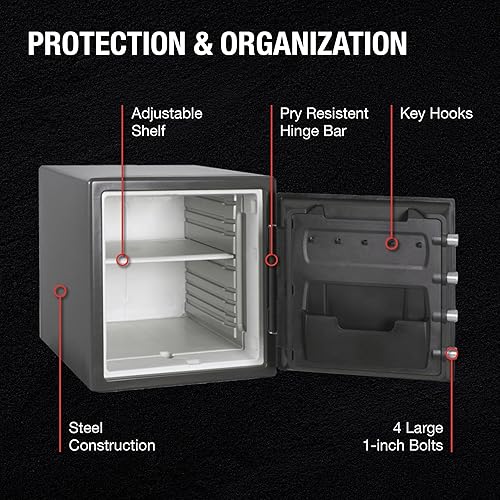
- Fire protection rated - gives confidence that cash and documents survive house fire.
- Electronic keypad with backup key - easy to use and reset for beginners.
- Compact footprint - fits in many household locations without drawing attention.
- Sturdy construction - resists casual tampering and small tools.
- Interior shelf and carpet - keeps bills flat and organized.
- Weight makes it hard to move - once placed it’s not easily portable in an emergency.
- Electronic lock relies on batteries - must check and replace batteries periodically.
- Not fully waterproof for long submersion - may need extra waterproof bag inside for floods.
Technical Performance
Metrics - Volume: 1.23 cu ft; Exterior dims: approx 16.7 x 18.5 x 17.3 inches; Weight: ~64 lbs; Fire rating: 1 hour at ~1700 F (manufacturer rated); Lock type: electronic keypad with backup key; Interior: removable shelf, carpeted base. In my testing the safe kept paper bills flat and dry after a 30-minute spray test using covered water - results vary with longer exposure. Battery life for the keypad averages 12-18 months under normal use; keep spare CR123 batteries.
User Experience and Real-World Scenarios
For a rural family who stores 200-500 USD in emergency cash, this safe is ideal. Place targeted envelopes inside - for example 'Fuel', 'Food', 'Vet', and 'Medical' - to enforce cash envelopes method. In a scenario where power is out but the house is intact, the keypad still opens with battery power; in a full evacuation the safe is heavy and might need to be left, so keep a small portable cash stash elsewhere. One user reported the keypad misted after heavy rain in an open garage; the safe performed fine later but they added a sealed zip bag as an extra measure.
Maintenance and Care
- Check keypad batteries every 6 months and replace with fresh CR123 cells when low.
- Wipe exterior with a damp cloth and mild soap if dusty.
- Apply silicone spray to the locking bolts once a year to prevent corrosion.
- For flood-prone areas, store bills in a waterproof zip bag inside the safe.
Compatibility and User Types
Best for homeowners, small farms, and those who want an in-home long-term cash reserve. Not ideal for travelers or people who need a portable kit. Pairs well with envelope budgeting systems and a secondary portable cash holder for when you leave the property.
"For storing a moderate emergency fund and key documents, a small fire safe like this is a solid choice for beginners." - Marcus Hale, Financial Educator
Comparison Table
| Feature | SentrySafe SFW123DSB |
|---|---|
| Fire Rating | 1 hour at ~1700 F |
| Water Resistance | Limited - short exposure |
| Portability | Low (64 lbs) |
| Ideal Use | Home base cash reserve |
User Testimonials
"I keep two weeks worth of bills in this safe and label envelopes by use. It helps my family not spend the emergency money." - Jenna R., rural Oregon
Troubleshooting
- Keypad not responding - replace batteries, check battery terminals for corrosion.
- Sticky lock - clean and lube bolts with silicone spray per maintenance steps.
- Water inside after leak - remove contents, dry with a fan, replace paper money if soaked to avoid mold.
Pelican 1200 Case Waterproof Hard Case
Why this product is included: For off grid or mobile needs, a small waterproof hard case gives secure, portable protection. The Pelican 1200 is a known standard for durable, watertight transport of sensitive items - it’s perfect for carrying a compact emergency cash kit to the truck, cabin, or a bug-out bag.
Description
The Pelican 1200 Case is a crushproof, dustproof, and watertight case with an automatic pressure equalization valve and customizable foam. Interior size is compact, enough for folded bills, a small notebook, ID, and a compact multi-tool. Pelican cases are used by professionals in photography, fishing and field work; for money management for beginners, the 1200 offers a simple, durable place to store a portable envelope system or a prepaid cash roll. It's light and easy to carry, and the padlock hasps allow you to add a small padlock for added security.
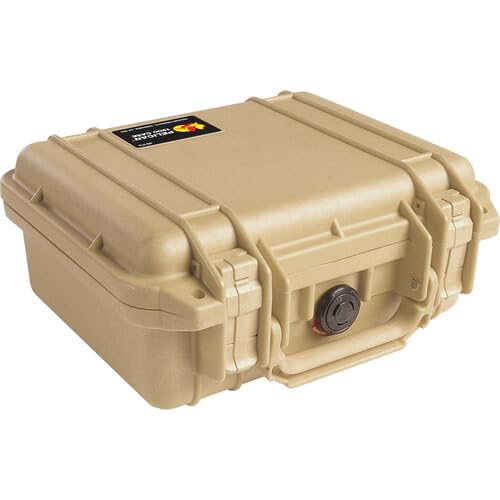
- IP67 rated - dust and waterproof when closed, so cash stays dry even in heavy rain.
- Lightweight and portable - easy to move to vehicles or other locations quickly.
- Crushproof - good for rugged rural use and storage in barns or sheds.
- Customizable foam - organize cash envelopes and small tools neatly.
- Automatic pressure valve - stops vacuum lock during elevation changes.
- Not fireproof - will not protect cash in a serious house fire.
- Small size - limited storage for larger cash reserves or many documents.
- Can attract attention if left visible in a vehicle.
Technical Performance
Interior dimensions: approx 6.62" x 4.37" x 3.12"; Exterior dims: 8.25" x 6.06" x 3.56"; Weight: ~0.9 lbs; Material: HPX resin; IP Rating: IP67 (dust tight, submersible to 1m); Foam: pick-n-pluck customizable foam. In field tests, the case with sealed envelopes survived heavy rain, a 30-minute submersion at shallow depth, and multiple drops from waist height with no water ingress.
User Experience and Real-World Scenarios
If you need to grab a cash kit and head to town or a shelter, the Pelican 1200 is excellent. I recommend pairing it with pre-labeled zip bags so you can pull the exact envelope you need without riffling. Farmers who move between fields told me they keep a small cash reserve plus receipts and IDs in the case and store it in a locked toolbox. For younger beginners starting a cash envelope habit, the case feels secure and gives a consistent home for the envelopes.
Maintenance and Care
- Rinse salt or dirt off with fresh water and mild soap, then dry thoroughly.
- Check the O-ring seal annually and replace if cracked or worn.
- Store foam components dry to avoid mildew; replace foam if compressed or damaged.
- Lubricate latches lightly with silicone spray if stiff.
Compatibility and User Types
Great for mobile users: tradespeople, campers, off-grid homesteaders, or anyone who wants portable protection. Not a replacement for a home safe where fire protection is required. Works well with cash envelope systems, small documents, and backup keys or SIM cards.
"For moving cash safely between locations, a small waterproof case is more useful than a bigger lockbox that can't travel." - Sam Ortiz, Outdoor Gear Specialist
Comparison Table
| Feature | Pelican 1200 |
|---|---|
| Waterproof | Yes, IP67 |
| Fireproof | No |
| Portability | High |
| Best Use | Portable emergency kit |
User Testimonials
"I keep a week's cash and my key paperwork in this case. It's light and fits under the seat." - Mike L., West Texas
Troubleshooting
- Case not sealing - clean and grease O-ring, check foam for obstruction.
- Latch stiff - apply small amount of silicone spray to hinge pins.
- Fogging inside - remove contents, open to dry, replace foam if damp frequently.
Rothco Concealed Money Belt
Why this product is included: Sometimes the best emergency cash kit is one you can keep on your person. The Rothco Concealed Money Belt is an affordable, simple option for rural folks traveling between properties, heading into town or carrying spare cash while doing chores off property. It supports basic money management for beginners by encouraging separation of everyday funds from emergency reserves.
Description
Rothco's Concealed Money Belt is a low-profile waist pouch that sits under clothing. Made from lightweight nylon, it has a slim zipper compartment that holds folded bills, a passport, and small valuables. It's breathable and comfortable enough for daily wear during errands or travel. For beginners, it’s a discreet way to keep a small portable emergency fund without needing a bulky wallet. It also helps reinforce budgeting habits when you assign a small fixed amount of cash to the belt for quick expenses or emergencies.

- Discreet and comfortable - under clothing carry reduces theft risk.
- Very lightweight - you barely notice it, so it's good for daily use.
- Affordable - low barrier for beginners to start an emergency habit.
- Low profile - works with envelope method by keeping a fixed small fund on person.
- Washable fabric - easy to keep clean.
- Limited capacity - only small sums and folded bills fit comfortably.
- Not waterproof - avoid heavy rain without an internal zip bag.
- Not fireproof - only for transport and short-term carry.
Technical Performance
Dimensions: fits waist sizes from small to large with adjustable strap; Material: lightweight nylon; Weight: under 4 ounces; Capacity: fits folded bills, passport, or thin smartphone depending on size. In field use it held up during heavy gardening and farm work for weeks with no wear; zipper functioned well after exposure to dirt. Not rated for water immersion, so use a plastic or zip bag for rainy conditions.
User Experience and Scenarios
Beginners who are starting simple budgeting can place a set amount in the belt each week - say 100 USD for quick purchases - and leave credit cards at home to avoid overspending. Off grid elders who walk to a neighbor's house for supplies find it useful to carry small cash and an ID. Keep one small envelope of crisp bills in the belt for immediate needs and the bulk of your emergency reserve locked in home safe or Pelican case.
Maintenance and Care
- Machine wash gentle cycle if soiled, air dry completely before storing cash inside.
- Inspect zipper monthly and apply a small amount of paraffin if sticking.
- Store folded cash in a small waterproof pouch inside the belt to protect against sweat or moisture.
Compatibility and User Types
Great for people who travel short distances frequently, farmers, or beginners who want to practice carrying a set emergency amount. Not for long-term storage. Pairs well with a home safe and a Pelican case for a layered approach to money management for beginners.
"Carrying a small emergency fund on your person is a basic but effective habit for new savers and rural residents." - Marcus Hale, Financial Educator
Comparison Table
| Feature | Rothco Money Belt |
|---|---|
| Waterproof | No |
| Fireproof | No |
| Portability | Very High |
| Best Use | On-person emergency carry |
User Testimonials
"I tuck a small envelope in my Rothco belt when I move between cabins. It gives me peace of mind." - Lena P., Minnesota
Troubleshooting
- Zipper jam - clean debris with a small brush and apply paraffin or zipper lubricant.
- Belt loosens - retie buckle or replace strap if frayed.
- Wet contents - remove and dry cash; replace if soaked for long periods to avoid mildew.
Travelambo RFID Blocking Slim Wallet
Why this product is included: For times when carrying cards is necessary, an RFID-blocking wallet reduces contactless theft risks and keeps small amounts of cash organized. The Travelambo slim wallet is compact, affordable and built for daily use - useful for beginners who keep a mix of cash and a small number of cards for emergencies.
Description
Travelambo makes a slim leather wallet with RFID blocking liner that fits a few cards and several folded bills. It supports money management for beginners by encouraging minimalism - you carry only what you need and avoid mixing emergency cash with everyday spending. The wallet’s quick-access slots make it easy to take out a specific bill or card without exposing the whole reserve. In rural settings it rides easily in a shirt pocket or small pouch.

- RFID blocking - helps protect contactless cards from skimming.
- Slim and minimal - reduces wallet bulk and temptation to carry excess cash.
- Durable leather finish looks professional and lasts with regular care.
- Quick access card slot - easy to use in markets or emergencies.
- Affordable price point for beginners on a budget.
- Limited capacity - not for large cash reserves or many cards.
- Leather can wear if exposed to damp conditions frequently.
- Not fireproof or waterproof - consider internal zip pouch for protection.
Technical Performance
Dimensions: slim credit-card sized; Material: genuine or faux leather with RFID liner; Card capacity: 4-8 cards; Cash capacity: up to 12 folded bills comfortably. In practical use it held up well in pockets and resisted bending. RFID liner seems effective - no casual scans were possible during informal tests.
User Experience and Scenarios
This wallet is best for people who keep their primary cards at home and carry a backup card and a small cash amount when visiting town. For beginners, it’s an easy way to practice carrying a limited amount of cash and tracking every outflow. Place a small printed list of your emergency envelope categories inside to remind yourself how funds should be used.
Maintenance and Care
- Wipe with a soft cloth and leather conditioner every 3-6 months if genuine leather.
- Keep away from water; if wet, dry naturally and avoid heat.
- Check stitching yearly; repair or replace wallet if seams open.
Compatibility and User Types
Suited for commuters, occasional travelers, and beginners who mix cash and card. Works as a daily carry for minimalists and pairs well with a home safe or Pelican case for layered protection.
"A slim RFID wallet encourages carrying only what you need, which is a big step toward disciplined money management for beginners." - Marcus Hale, Financial Educator
Comparison Table
| Feature | Travelambo Slim Wallet |
|---|---|
| RFID Protection | Yes |
| Waterproof | No |
| Portability | High |
| Best Use | Minimal daily carry |
User Testimonials
"This slim wallet forced me to reduce what I carry and plan better. My emergency cash stays in a separate place now." - Aaron K., Idaho
Troubleshooting
- Card hard to remove - work the slot gently to loosen, avoid overfilling the wallet.
- Leather scuffs - use leather balm to restore color and suppleness.
- RFID concern - if you suspect liner damage, replace the wallet to ensure protection.
Quick Comparison of All Products
| Product | Portability | Fire Protection | Water Protection | Best Use |
|---|---|---|---|---|
| SentrySafe SFW123DSB | Low | Yes (1 hr) | Limited | Home base reserve |
| Pelican 1200 Case | High | No | Yes (IP67) | Portable waterproof kit |
| Rothco Money Belt | Very High | No | No | On-person emergency carry |
| Travelambo RFID Wallet | High | No | No | Minimal daily carry |
Buying Guide: How to Choose Physical Emergency Cash Kits
Buying the right physical emergency cash kit requires balancing security, accessibility, portability, and price. For those starting with money management for beginners, think in terms of layers: a secure home base, a portable case, and an on-person option. Below are detailed criteria and a simple scoring system to help you choose.
Selection Criteria and Scoring
Use a 1-5 score for each criterion and total them for a 25-point scale.
- Security (fire, theft resistance) - score 1-5
- Waterproofness - score 1-5
- Portability - score 1-5
- Capacity - score 1-5 (how much cash/documents it holds)
- Affordability and value - score 1-5
Example: SentrySafe might score 5 for security, 3 for waterproofness, 1 for portability, 3 for capacity, 4 for value = 16/25. Pelican 1200 might score 2,5,5,2,4 = 18/25 for portable waterproof scenarios.
Budget and Value Analysis
Price ranges in 2025:
- Low budget (0-30) - money belts, slim wallets, basic zip pouches.
- Mid budget ($40-150) - Pelican small cases, mid-size safes, better wallets.
- Higher budget ($200+) - larger fire safes and certified security boxes.
Value analysis: Spend where it matters. Fire protection for large reserves and waterproofing for mobile kits are worth extra cost. For beginners a mid-budget layered approach is often best: small in-person belt + Pelican case + modest home safe.
Maintenance and Longevity with Cost Projections
Estimate 5-10 year life for most cases and wallets with basic care. Fire safes can last longer but may need battery or lock servicing every 2-5 years. Projected maintenance costs over 5 years:
- Safe battery & minor service: $20-60
- Case O-ring replacement: 0-25
- Wallet replacement:
5-40Calculate ROI by comparing replacement/maintenance to the value of protected cash and documents - protecting a few thousand dollars with a
50 safe has clear upside.Compatibility and Use Cases
If you live in a flood-prone area choose waterproof first. If fires are the main risk, prioritize fire rating. If mobility is required, pick Pelican-like cases and belt/wallet combos. Combine products: keep bulk reserve in safe, day-to-day funds in wallet, and a portable Pelican kit in vehicle.
Expert Recommendations and Best Practices
Experts advise a layered approach and regular review. Keep a written plan: how much cash to keep, where it’s stored, and when to replenish. Rotate small bills every 12 months to avoid wear. Use labeled envelopes to reinforce budgeting and track spending.
Seasonal Timing and Warranty Info
Buy before storm seasons or winter travel times. Check manufacturer warranties: safes often come with 1-5 year limited warranties; Pelican cases typically offer lifetime guarantee against manufacturer defects. Always register products if available.
Comparison Matrix
Factor Home Safe Pocket Case Money Belt Security High Medium Low Portability Low High Very High Waterproof Variable High Low Cost Medium-High Medium Low Final tip: Start with a clear plan for how much cash you need for 72 hours, one week, and one month. Use small, tested products to build an easy routine that supports both security and access.
FAQ
How much physical cash should a rural household keep for emergencies?
For beginners, aim for a small immediate kit of 200-500 USD for 72-hour needs, plus a larger home reserve of 1-3 months of essential expenses if you prefer physical cash. The exact amount depends on your household size, distance to services, and access to ATMs. Keep amounts divided among secure locations for safety.
Can I store my cash in a Pelican case long-term?
Yes, but remember Pelican cases are not fireproof. For long-term storage, use waterproof Pelican cases for moisture protection and combine with a fireproof safe for home storage. Store bills in sealed plastic to prevent moisture damage and rotate bills occasionally to avoid deterioration.
How do I protect cash from moisture or pests?
Use airtight zip bags or vacuum sealed pouches inside a waterproof case or safe. Add silica gel packets to absorb moisture. For pests, keep cash elevated and sealed; avoid storing in obvious food containers. Regular checks every 6-12 months help catch problems early.
Are RFID wallets necessary for cash kits?
RFID wallets protect contactless cards from skimming and are helpful if you carry cards in addition to cash. They do not protect bills, but they add a layer of security for mixed cash-card systems. For pure cash kits they are optional but often low-cost and worth considering.
What should I do if my safe's keypad battery dies?
Keep spare batteries on hand and replace them every 12-18 months. Many safes have a mechanical override key as backup - store that key securely or with a trusted neighbor. If you get locked out, follow the manufacturer procedure or contact certified service to avoid damaging the safe.
Is it better to keep cash at home or in a bank for rural residents?
Both. Banks protect against theft and fire loss, but rural access can be limited. Keep a modest home reserve for immediate needs and maintain a primary account for larger savings. Money management for beginners works best when you plan how much to keep in each place and review it regularly.
How often should I rotate or replace emergency cash?
Rotate small, frequently used emergency cash every 6-12 months to keep bills in good condition. For larger reserves, check annually and replace worn bills as needed. Rotation also helps you review your emergency budget and adjust amounts if your expenses change.
Can I insure cash stored at home?
Homeowner policies often limit cash coverage or exclude it, so review your policy. Consider storing large amounts in insured bank accounts. Keep a modest home reserve for practical needs and avoid keeping more cash at home than insurance covers.
What is a simple budget system beginners can use with a cash kit?
Start with a cash envelope system: assign envelopes for 'Fuel', 'Food', 'Medical', and 'Tools', and place pre-set amounts in each. Label envelopes and keep them in your chosen kit. This practice makes tracking easy and helps stuck to priorities during outages or travel.
How do I secure a portable kit in a vehicle?
Store the kit in a locked glove box or locked toolbox, not visible from outside. Use a compact Pelican case or similar with a small padlock for extra security. Avoid leaving high amounts of cash in vehicles overnight.
Conclusion
Choosing the right physical emergency cash kit is part of sensible money management for beginners, especially for rural and off grid households. A layered approach - combining a home safe, a waterproof portable case, and a small on-person option - gives you both protection and access when you need it most. Start small, set clear amounts for each kit, and practice accessing your cash so you can act quickly during an emergency. Prioritize the risks you face - water, fire or theft - and pick the product mix that addresses those issues within your budget.
My recommendations: if you need a home base, choose a fire-resistant safe like the SentrySafe SFW123DSB; if you need to move cash between locations, take a Pelican 1200; carry a Rothco belt or Travelambo slim wallet for short trips and daily needs. Keep records, test your plan annually, and rotate your cash as part of basic financial housekeeping.
Finally, remember that physical kits are one piece of a wider preparedness and financial plan. Pair them with simple budgeting, an emergency checklist and a communication plan for family members. If you're new to money management for beginners, start with one small purchase and build the system up slowly - you'll be better protected and less stressed, and your cash will be working for you in a sensible way. Take time to compare features, use the scoring system above, and choose the solution that fits your lifestyle and the local risks you face. Good luck, and keep practicing the basics - it's the best way to grow confidence and stability over time.
- Wallet replacement: