By Daniel Varek - Personal Finance Analyst
Introduction
Fractional fine art investment platforms and curated portfolio products are changing how individual investors access high-end art markets in 2025. These platforms let investors buy shares of paintings, sculptures, and collectible works that were once available only to wealthy collectors, galleries, and institutions. The model combines tangible cultural assets with modern financial structures - fractional ownership, secondary trading, and curated funds - to create new ways of building diversified alternative portfolios.
Investing strategies explained in this guide focus on risk control, diversification, liquidity management, and tax efficiency for art as an alternative asset. This article will walk through leading platforms, compare product features, and show how to build a curated portfolio using fractional fine art offerings. You will find clear frameworks for deciding when to include art in a long-term plan, how much allocation makes sense, and how platform choice affects returns and liquidity.
The market for fractional art grew rapidly after tokenization and regulated offerings matured in the early 2020s. Platforms like Masterworks and Otis expanded offerings, while token-based projects and funds introduced different fee, liquidity and custody models. Investors now have choices that vary by minimum investment, holding period, secondary market access, and regulatory structure. For many retail investors, the biggest draw is access - being able to own a slice of a work by a blue-chip artist without paying tens of millions upfront.
These product types matter because they bridge emotional, cultural value with financial planning. Art can be an inflation hedge, a diversification tool outside public markets, and a potential source of capital gains. But it also brings unique costs - storage, insurance, authenticity verification, and long holding periods. Understanding the trade-offs is where "Investing strategies explained" becomes practical, not theoretical.
In this guide I cover 5 leading platforms and curated products, explaining why they are included, their technical details, user experience, and how they perform in real world scenarios. I also provide a buying guide with scoring criteria, a detailed FAQ, and final recommendations you can use today. The goal is not to hype any platform, but to let you compare them with a consistent framework so you can decide which fits your goals and risk tolerance.
Market trends to watch in 2025 include: greater regulatory clarity for tokenized art, improved secondary market liquidity, and more diversified curated funds that mix contemporary and historic works. Pricing transparency and authentication tech improved, yet the biggest variable remains demand in the resale market - that is the true driver of realized returns.
When you read the product reviews below, focus on fees, liquidity, minimums, and the platform's curation process - those are the levers that most affect your expected outcome. Know your investment horizon and how much of your portfolio you want in illiquid alternatives before you commit.
Masterworks
Why This Product Is Included
Masterworks is included because it is the most widely known regulated platform focused on blue-chip paintings and has established a clear model for fractionalized art shares. It set industry standards for custody, provenance research, and a secondary market that many platforms mimic. For investors seeking "Investing strategies explained" applied to blue-chip art specifically, Masterworks provides a useful baseline for fees, holding periods, and realized sale dynamics.
Comprehensive Technical Information
- Offering Type - Private corporate shares in SPVs that hold a single artwork
- Regulatory Structure - SEC-regulated offerings for accredited investors in many cases; later registered secondary trades
- Minimum Investment - Typically $20 to 00 per share; minimum purchase varies by offering
- Fees - Management fee generally around 1.5% annual asset fee; sales success fee typically about 20% of realized profits on a sale - these fees affect net IRR
- Holding Period - Median realized holding period often 5 to 10 years for sold works; some holdings extend longer
- Secondary Market - Platform-run secondary market with variable liquidity and listing fees
- Custody and Insurance - Masterworks handles physical storage in climate-controlled vaults and maintains insurance on works
- Tax Treatment - Gains realized on sale are typically taxed as capital gains; consult a tax advisor for specific status
Description

Masterworks buys, holds, and sells single works by blue-chip artists - think Warhol, Basquiat, Picasso level names. They form a single-purpose vehicle that owns the painting, and then sell shares to investors. If the work is sold for profit down the road, shareholders receive proceeds minus fees and expenses. The platform does the heavy lifting - provenance, storage, insurance, and eventual sale - which makes it a "hands off" option for retail investors who want exposure to high-end art.
Pros:- Access to blue-chip works that are normally out of reach - you can own a fraction of a high-value painting.
- Professional curation and provenance checks reduce fraud risk compared to buying privately.
- Built-in secondary market provides some liquidity compared to traditional private art ownership.
- Custody and insurance handled by the platform, saving investors logistical burdens.
- Transparent fee structure allows for clearer ROI calculations than some private deals.
Cons:- High fees reduce net returns - the combination of annual management and success fees cuts into IRR.
- Illiquidity risk remains - selling on secondary market can take time and buyers may be scarce.
- Minimum investment per offering and accreditation requirements on some offerings limit access for non-accredited investors.
Performance Analysis With Metrics
Realized sale data from platform disclosures show a mixed picture - successful sales can deliver double-digit annualized returns, while many holdings are still unsold. Example metrics to consider when building expectations:
- Median realized holding period: 6-8 years
- Reported net realized IRR on sold pieces: commonly reported in a 8-18% range on some sales - though past performance is not a guarantee
- Annual management fee: about 1.5% which reduces compounded returns
- Success fee on sales: roughly 20% of profits
- Secondary market turnover: varies; typical active listings per month in early years ranged from dozens to hundreds depending on platform activity
Use these metrics when you model expected ROI - a simple net return model subtracts the annual fee and success fee from projected sale appreciation to estimate net IRR.
User Experience Insights and Real-World Usage Scenarios
Investors report the platform is easy to use for research and buying shares. The educational materials are solid for beginners. Practical scenarios include:
- Long-term investors allocating 1-3% of total portfolio to art exposure, using Masterworks for blue-chip focus.
- Collectors who want to diversify across works without handling physical logistics.
- Speculators seeking appreciation tied to artist market cycles but accepting illiquidity.
One drawback in practice is the time between purchase and realized sale, which requires patience and clear planning.
Maintenance and Care
Masterworks handles physical maintenance, but investors should monitor platform reports. Steps for investors:
- Review quarterly reports and condition statements from the platform.
- Check insurance coverage summaries and confirm limits are adequate for the work's value.
- Follow secondary market listings and activity to estimate potential exit timing.
- Keep tax records for capital gains reporting when sales occur.
Compatibility and Usage Scenarios
Best for accredited investors seeking blue-chip exposure with minimal hassle. Less suitable for investors who need short-term liquidity or who prefer direct physical ownership and display rights.
"Masterworks created a practical path for small investors to access top-tier art, but investors must treat it like a long duration alternative holding." - Anna Clarke, Art Market Analyst
Comparison Table
Feature Masterworks Typical Alternative Minimum Investment $20 - 00 per share$50 - $500 Annual Fee ~1.5% 0.5% - 2% Success Fee ~20% of profits Varies Average Holding Period 6-8 years Varies widely User Testimonials
"I used Masterworks to get exposure to a Basquiat without having to buy the whole painting. It feels like owning a piece of art history, and the platform updates are helpful." - J.S., New York
Troubleshooting Guide
Common issues and fixes:
- Problem: Cannot sell on secondary market - Fix: Check listing fees, price your shares competitively, and contact support for help with relisting.
- Problem: Confusing fee calculation - Fix: Download the fee schedule and run spreadsheet scenarios subtracting management and success fees to understand net proceeds.
- Problem: Long wait for sale - Fix: Prepare to hold longer, or diversify across multiple offerings to smooth liquidity timing.
Otis
Why This Product Is Included
Otis is included because it expanded fractional ownership to a wider set of collectibles including contemporary art, street art, and cultural items. It targets younger investors with lower minimums and offers a broader range of asset categories. For readers seeking "Investing strategies explained" that involve diversification across newer, trend-driven artists, Otis is a clear example.
Comprehensive Technical Information
- Offering Type - Shares in LLCs or SPVs that hold individual pieces or collections
- Regulatory Structure - SEC-compliant offerings for many assets; some offerings available to non-accredited investors depending on structure
- Minimum Investment - Often lower than blue-chip platforms, commonly to $50 per share depending on offering
- Fees - Annual asset or platform fees roughly 1% to 2%; transaction or secondary listing fees apply
- Holding Period - Often 3-7 years but varies by asset type and demand
- Secondary Market - Platform provides secondary trading windows; liquidity depends on demand
- Custody and Insurance - Physical works are stored and insured by the platform or partner custodians
Description

Otis offers fractional share sales in contemporary artworks, sneaker collections, street art, and cultural artifacts. The platform aims for low entry points and quick educational materials to help newer investors understand price drivers, artist momentum, and demand signals. Because many offerings are trend-driven, returns can be more volatile and correlated to short-term cultural interest.
Pros:- Low minimums make it accessible to a wide investor base.
- Wide selection across different collectible types for diversification.
- Good educational content helps newer investors learn artist-specific drivers.
- Occasional high-velocity appreciation for certain trend artists or items.
- Some offerings allow non-accredited participation, widening access.
Cons:- Higher volatility and trend risk for modern and street artists.
- Secondary market can be thin for niche items.
- Fees and listing costs still reduce net returns for small investors.
Performance Analysis With Metrics
Performance depends heavily on the category. Example metrics from platform trends:
- Median realized holding period: 3-6 years for contemporary pieces
- Reported sale upticks: some high-demand offerings saw 20-40% appreciation in 12-24 months, though many did not
- Platform fees: 1% - 2% annual
- Secondary market spread: 5-15% typical between buy and sell listings
For strategy, use Otis for tactical allocations where you accept higher volatility for the possibility of outsized short-term gains.
User Experience Insights and Real-World Usage Scenarios
Investors like the app interface and quick onboarding. Real world cases:
- Collectors who want to own a share of trending street art without storing the physical piece.
- Young investors experimenting with alternatives and learning artist markets.
- Speculators looking for short-to-medium term gains tied to cultural hype.
Maintenance and Care
Otis handles storage and maintenance, but investors should:
- Review condition reports provided at acquisition.
- Monitor announcements for planned sales or loans to exhibitions which can drive value.
- Track secondary market liquidity before assuming quick exit.
Compatibility and Usage Scenarios
Good for smaller allocations and for investors comfortable with trend risk. Not ideal for those needing long-term, low-volatility art exposure.
"Otis broadened the pool of collectors, and that liquidity must be evaluated against the higher volatility in trend categories." - Mark Liu, Cultural Asset Strategist
Comparison Table
Feature Otis Masterworks Typical Minimum - $50$20 - 00Target Assets Contemporary, street art, collectibles Blue-chip paintings Volatility High Moderate Secondary Liquidity Variable More established User Testimonials
"I bought a share of a street art piece and it jumped in value within a year, but it was nerve racking to watch. Great learning experience." - L.M., Chicago
Troubleshooting Guide
- Problem: No buyer on secondary - Fix: Consider partial sell orders or bundling with other holdings to attract buyers.
- Problem: Unclear condition reports - Fix: Request detailed photographs and third party condition verification if available.
Rally Rd
Why This Product Is Included
Rally Rd expanded from memorabilia into art and offers a curated marketplace for fractional ownership with a focus on collecting culture. It's included because it represents a model where collectors and investors meet, often valuing narrative and provenance as much as artist pedigree. For "Investing strategies explained" readers, Rally Rd provides a view on community-driven valuation and periodic sales mechanics.
Comprehensive Technical Information
- Offering Type - Shares in LLCs or similar entities holding collectibles or art
- Regulatory Structure - SEC-compliant offerings; some offerings available to non-accredited investors
- Minimum Investment - Often 0 -00 per offering
- Fees - Platform fees, custody and insurance fees vary; check individual asset disclosures
- Holding Period - Varies widely; some assets sold within 2-5 years, others held longer
- Secondary Market - Periodic trading windows or platform-hosted markets
Description
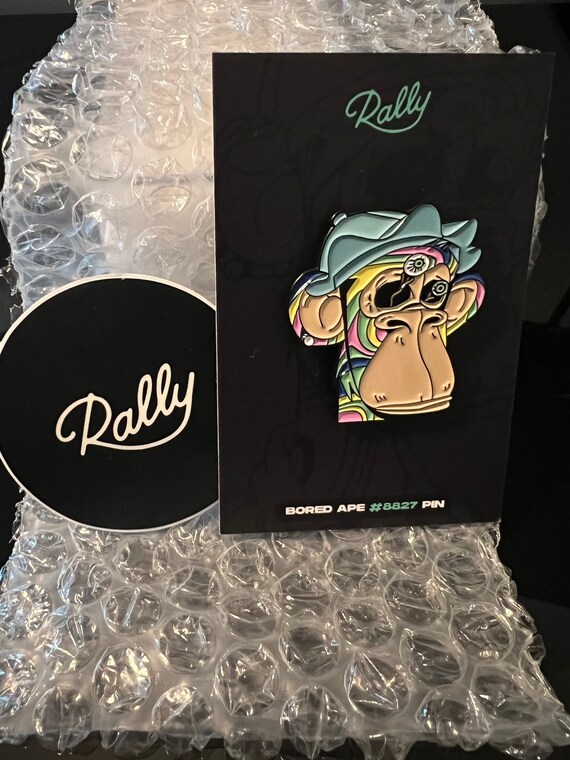
Rally Rd focuses on high-interest collectibles - sometimes that includes notable artworks and prints. The platform emphasizes storytelling and community engagement, which can drive demand. Investors get fractional ownership and access to platform-hosted events and sales. Rally Rd's mechanics can make it easier to find buyers when an asset is in demand, but that same demand can be cyclical and tied to trends.
Pros:- Lower minimums make entries accessible.
- Community features can increase visibility and resale prospects.
- Varied asset classes allow cross-category exposure in one account.
- Regulated offerings help protect investors from certain risks.
Cons:- Value can be highly narrative-driven and volatile.
- Fees and timing vary per asset, making net return modeling harder.
- Sometimes assets are illiquid until a curated sale window opens.
Performance Analysis With Metrics
Rally Rd metrics are asset-dependent. Examples:
- Median sale window length: 3-6 years for many collectibles
- Reported appreciation on high-demand offerings: 10-50% over 12-36 months in some cases
- Platform spreads: often 5-20% between buy and sell prices
Use Rally Rd when you value community-driven liquidity and are comfortable with event-driven price moves.
User Experience and Scenarios
Users often cite the platform's ease and community as positives, but warn about pricing swings. Common situations:
- Short to medium term allocations for collectors who track pop culture demand.
- Investors using Rally Rd to diversify across collectibles and art in small increments.
Maintenance and Care
Rally Rd manages custody and insurance; investors should:
- Check asset-specific reports before investing.
- Follow community forums for demand signals and sale plans.
- Keep records for tax reporting.
"Platforms that build community around assets can unlock liquidity, but they also introduce herd dynamics that may amplify downside risk." - Priya Menon, Alternative Investments Research
Comparison Table
Feature Rally Rd Otis Min Investment 0 -00- $50Asset Focus Collectibles and select art Contemporary art and collectibles Liquidity Model Curated sale windows Platform secondary market User Testimonials
"I like Rally for its community and the occasional fast appreciation on pop culture items, but you need to watch the timing." - R.T., Austin
Troubleshooting Guide
- Problem: Unexpected holding length - Fix: Check asset sale plans and community announcements for scheduled exits.
- Problem: Unclear fees - Fix: Download the asset prospectus and ensure you understand all platform and transaction fees.
Maecenas
Why This Product Is Included
Maecenas is included because it represents the tokenization-first approach to art investment, using blockchain tokens to represent fractional ownership. For investors curious about modernization and new liquidity mechanics, Maecenas shows both the promise and the challenges of token-based art shares. It illustrates different "Investing strategies explained" around liquidity, custody, and regulatory considerations for tokenized assets.
Comprehensive Technical Information
- Offering Type - Tokenized ownership on a blockchain ledger representing fractional shares
- Regulatory Structure - Token offerings that must comply with securities and property laws in relevant jurisdictions
- Minimum Investment - Varies by token offering; some programs allow small purchases
- Fees - Platform tokenization fees, custody and marketplace fees; gas or transaction costs may apply in some implementations
- Holding Period - Flexible, depending on marketplace liquidity and tokenomics
- Secondary Market - Token marketplaces or platform-hosted exchange - liquidity depends on token adoption
- Custody and Insurance - Digital token custody is separate from physical custody; physical work storage still required
Description

Maecenas digitizes ownership by issuing tokens that represent a legal claim on a physical artwork. The tokens can trade on supported marketplaces, theoretically improving liquidity and enabling fractional transfers with lower transaction friction. The model creates new possibilities - like programmable dividends if a work is loaned to exhibitions, or automated revenue splits on sale - but it also introduces tech and regulatory complexity for ordinary investors.
Pros:- Potential for faster, lower-cost transfers among token holders.
- Programmable features enable novel revenue sharing like loan fees to museums.
- Fine-grained fractions allow very small investments.
- Transparency from on-chain records can help prove ownership chains.
Cons:- Regulatory uncertainty in some jurisdictions about tokenized securities.
- Digital custody risks and possible tech complexity for non-technical investors.
- Physical custody, insurance, and provenance still need traditional processes.
Performance Analysis With Metrics
Tokenization doesn't change the fundamental drivers of art value - demand, rarity, and provenance - but it can alter transaction costs and speed. Example metrics:
- Token transfer time: near-instant on-chain in many cases vs days for traditional registry changes
- Transaction cost: varies by chain - can be low on optimized chains but higher on congested networks
- Liquidity: depends entirely on token marketplace adoption - early offerings may have low turnover
Model returns by combining expected appreciation with lower marginal transaction costs, but include provisions for token platform risk.
User Experience And Real-World Usage
Tokenized platforms attract technically savvy investors and institutions exploring efficiency gains. Practical cases:
- Institutions that want programmatic revenue sharing or quick transfers between funds.
- Retail investors who prioritize very low minimums and are comfortable with digital wallets.
Maintenance and Care
Token investors must manage two layers - digital token custody and the physical artwork's storage. Steps:
- Use hardware wallets or custodial services for token storage.
- Review platform's physical custody arrangements and insurance policies.
- Keep other documentation like transfer receipts and prospectuses for tax records.
"Tokenization can reduce frictions, but it does not eliminate the need for expert curation and physical custody." - Elena Rossi, Tokenization Specialist
Comparison Table
Feature Maecenas Traditional Fractional Transfer Speed Fast (on-chain) Days - weeks Minimum Very low possible $20 - 00Regulatory Complexity High Moderate User Testimonials
"I liked the flexibility of token fractions, but had to learn wallet management - not for everyone." - A.N., San Francisco
Troubleshooting Guide
- Problem: Lost access to wallet - Fix: Use recovery seed and contact custodial provider if used.
- Problem: Token marketplace illiquid - Fix: Consider coordinated sale with other holders or use platform-assisted buyouts.
Artemundi Fine Art Fund
Why This Product Is Included
Artemundi represents the curated fund route - instead of owning a single work, investors buy into a diversified portfolio managed by professionals. Including this fund shows how curated portfolio products differ from single-art fractionalization. For investors who prefer diversification and professional management, Artemundi and similar funds offer an alternative to standalone pieces.
Comprehensive Technical Information
- Offering Type - Closed or open-ended fund that holds multiple artworks and related assets
- Regulatory Structure - Fund structures vary by jurisdiction; often available to accredited or institutional investors
- Minimum Investment - Often higher than individual fractional shares - typical minimums range from 0,000 to00,000 for some share classes
- Fees - Management fees and performance fees apply; typical management fee 1% - 2% plus performance share
- Holding Period - Fund-based horizons often 5-10 years
- Liquidity - Depends on fund terms; some funds offer periodic redemptions while others are locked-in
Description

Artemundi invests across a mix of paintings, contemporary pieces, and cultural assets to build a portfolio aimed at smoothing idiosyncratic risk. Managers use market research and auction analytics to buy and sell works, offering investors professional oversight. This approach aligns with classic portfolio theory - diversification reduces the impact of a single poor-performing piece and aims for steadier returns.
Pros:- Diversification reduces single-art risk.
- Professional management and research improves selection quality.
- Potentially smoother returns and lower volatility than single-piece speculation.
- Institutional custody and insurance processes often in place.
Cons:- Higher minimums restrict access for small investors.
- Fees still reduce net returns, and performance fees can be significant.
- Less direct ownership - investors hold a share of a fund rather than a named work.
Performance Analysis With Metrics
Funds aim for moderate annualized returns while managing risk. Example metrics:
- Target net annualized return: often 6-12% depending on strategy
- Portfolio turnover: 10-30% annually based on buying and selling to capture auction cycles
- Management fee: 1% - 2% with performance fee 10% - 20% above hurdles
These metrics should be modeled into expected return projections and compared to alternatives like private equity in collectibles or direct fractional shares.
User Experience and Real-World Usage
Funds suit investors who want exposure to art without tracking individual sales. Typical scenarios:
- Wealth managers allocating to art as an alternative asset class for clients.
- Investors seeking lower volatility and professional curation.
- Entities wanting exposures for tax or estate planning reasons.
Maintenance and Care
Fund managers handle storage, conservation, and loan agreements. Investors should:
- Review fund offering documents for custody arrangements.
- Understand redemption terms and lock-up periods.
- Monitor quarterly reports and valuation methodologies.
"A curated fund can be the simplest way to gain art exposure within an institutional framework, but check the fee structure carefully." - Daniel Varek, Personal Finance Analyst
Comparison Table
Feature Artemundi Fund Single-Art Fractional Minimum 0,000+$20 - 00Diversification High Low Liquidity Periodic redemptions Platform secondary User Testimonials
"The fund allowed my family office to get art exposure without dealing with storage or individual sales, it's been stable so far." - H.C., Family Office
Troubleshooting Guide
- Problem: Need for liquidity in a locked fund - Fix: Explore secondary sale options or borrowings against fund shares if permitted.
- Problem: Valuation concerns - Fix: Request detailed appraisal methodologies and third-party valuations where available.
Buying Guide: How to Choose Fractional Fine Art Investment Platforms
Choosing the right fractional art platform or curated portfolio product comes down to aligning the product mechanics with your goals, timeframe, and risk tolerance. Below is a straightforward criteria list I use when advising clients - a scoring system and practical steps to compare competing offers.
Selection Criteria and Scoring System
Rate each platform on a 1-5 scale across these factors, then weight them by importance to your plan.
- Fees (weight 25%) - Consider annual management, transaction, and success fees.
- Liquidity (weight 25%) - Secondary market access, frequency of sales, and bid-ask spreads.
- Asset Quality (weight 20%) - Blue-chip vs trend pieces, provenance checks, and curation rigor.
- Minimum Investment (weight 10%) - How much capital needed to build a diversified stake.
- Regulatory and Custody Safety (weight 10%) - SEC compliance, custody arrangements, and insurance.
- Transparency and Reporting (weight 10%) - Frequency of valuations, reporting, and condition updates.
Example: If you care most about liquidity and fees, give those factors the highest weight and choose a platform with an established secondary market and lower management fees.
Budget Considerations and Value Analysis
Price ranges:
- Low entry alternative: $50 - ,000 for a diversified handful of shares on platforms like Otis or Rally Rd.
- Mid-range:
,000 -0,000 where you can build a meaningful position across several offerings.- High-tier:
0,000+ for fund investments like Artemundi or multiple blue-chip fractional shares on Masterworks.Cost-benefit analysis - model net returns by estimating gross appreciation and subtracting annual fees and performance fees. Use scenarios like conservative, base, and aggressive to test outcomes.
Maintenance and Longevity Factors With Cost Projections
Consider ongoing costs:
- Management fees - 1% - 2% annual typical
- Insurance and storage - usually included in platform fees but verify limits
- Tax reporting - plan for capital gains taxes on sale
Project ten-year costs by compounding fees - a 1.5% annual fee reduces compounded returns significantly over time, so always model net of fees.
Compatibility and Use Cases
Choose by investor type:
- Beginner - Low minimum, strong education, Otis or Rally Rd might fit.
- Long-term allocator - Blue-chip focus and a clear secondary market like Masterworks.
- Institutional or high net worth - Curated funds like Artemundi offer diversification and governance.
- Tech-savvy investors - Tokenized offerings via Maecenas offer flexibility but require digital custody skills.
Expert Recommendations and Best Practices
- Diversify across multiple offerings and platforms to reduce single-art risk. - Keep allocations modest, typically 1-5% of investable portfolio for most retail investors. - Model net returns with conservative appreciation estimates and fee subtraction. - Expect multi-year holding periods and avoid relying on quick flips unless you understand the category's volatility.
Comparison Matrices and Seasonal Considerations
Use a simple matrix where rows are platforms and columns are fees, liquidity, minimums, and asset quality. Seasonal timing - auction seasons and major fairs often drive valuations. Consider buying before a major show if you expect increased demand, but avoid timing the market too closely.
Warranty and Support
Most platforms provide buyer protection via custodial insurance and regulatory disclosures. Always read the offering memorandum for warranty language, dispute resolution terms, and support contacts. Look for responsive customer support and clear escalation paths.
FAQ
What is fractional fine art investing and how does it work?
Fractional fine art investing splits ownership of a single artwork among many investors through shares in an entity that holds the work. Investors buy shares, the platform manages custody and insurance, and when the work is sold proceeds are distributed. This model reduces the upfront cost of accessing expensive art, its a way to diversify into alternative assets without buying whole works.
How do platform fees affect my returns?
Fees reduce net returns through annual management costs and a portion of profits on eventual sales. For example a 1.5% annual fee compounded over 8 years and a 20% success fee on profit can cut realized IRR significantly. Always run net-of-fee scenarios when modeling expected returns.
Are fractional art investments liquid?
Liquidity varies - some platforms offer active secondary markets, others use curated sale windows. Expect lower liquidity than stocks, and plan for multi-year horizons. Short-term exits are possible but may involve wide spreads and fees.
What are the main risks to consider?
Key risks include illiquidity, valuation uncertainty, platform or custody failure, fraudulent provenance (rare on reputable platforms), and concentrated exposure to single artists or categories. Diversification and platform due diligence help mitigate these risks.
How much of my portfolio should be in fractional art?
For most retail investors a modest allocation of 1-5% of investable assets is prudent. Higher allocations can be justified for collectors or those with specialist knowledge, but testimonial evidence suggests smaller stakes are adequate to gain diversification benefits without overexposure.
What taxes apply when a fractional artwork is sold?
Gains are typically taxed as capital gains under domestic tax rules, and holding period determines long-term vs short-term rates in many jurisdictions. Some platforms may issue tax forms; consult a tax professional for details on your situation.
Can non-accredited investors participate?
Some offerings are open to non-accredited investors, particularly collectibles and certain regulated offerings. However, many high-value blue-chip offerings are limited to accredited investors. Check each platform's offering terms.
How do I evaluate a platform's provenance and authentication checks?
Look for documented provenance histories, third-party expert appraisals, and clear documentation of any restoration or condition issues. Platforms that provide detailed provenance and independent authentication reports reduce fraud risk and typically command better market trust.
What happens if the platform goes bankrupt?
Custody arrangements often separate physical assets in third-party vaults, which can protect works if a platform fails. Read offering documents to confirm custody details, and look for independent custodial agreements and insurance policies to protect investors.
Are tokenized art shares different from fractional shares?
Tokenized shares use blockchain tokens to represent ownership and can enable faster transfers, while traditional fractional shares are managed through corporate structures. Tokenization adds tech complexity and regulatory considerations, so learn wallet management and legal structure before investing.
How do curated funds differ from single-piece fractional ownership?
Curated funds offer diversification across multiple works managed by professionals, often with higher minimums and periodic liquidity. Single-piece fractional ownership gives direct exposure to the performance of one work and tends to be more volatile but lower minimums.
What are two unusual questions investors ask about fractional art?
1) Can my fractional share ever be loaned to museums and generate revenue - yes, some platforms/networks arrange loans and revenues may be shared with owners. 2) Can I display the physical art at home - usually not, because the work is held in custody to preserve value and insure it, though some platforms offer temporary loans under strict conditions.
Conclusion
Fractional fine art platforms and curated portfolio products offer accessible ways to add alternative assets to an investment plan. They each have distinct trade-offs - Masterworks for blue-chip focus, Otis and Rally Rd for trend-driven and collectible exposure, Maecenas for tokenized flexibility, and Artemundi for diversified fund management. Use the "Investing strategies explained" frameworks earlier - fees, liquidity, asset quality, and alignment to your investment horizon - to compare options objectively.
Prioritize net-of-fee modeling and realistic holding period assumptions before committing capital to any platform. Keep art allocations modest within a broader diversified portfolio, unless you have special expertise or institutional support. Diversify across platforms and asset types to reduce single-art and platform-specific risks.
Final tips - start small to learn the mechanics, treat fractional art like a long-duration alternative, and keep records for tax reporting. If you are curious about tokenized models or curated funds, dip a toe but make sure you understand custody and regulatory details first. Do more research, ask platforms specific questions, and if needed get professional tax or legal advice before taking a large position.
Art can be a rewarding addition to a diversified plan, but it's not a get-rich-quick asset - treat it as part of a long-term strategy aligned to your goals.
- Mid-range: